
Where Is My Treasure?
1916
No user ratings available yet
Diversity score: 4.1 out of 10
1919
Director
Ernst Lubitsch
Runtime
58 minutes
Average Rating
No ratings yetSynopsis
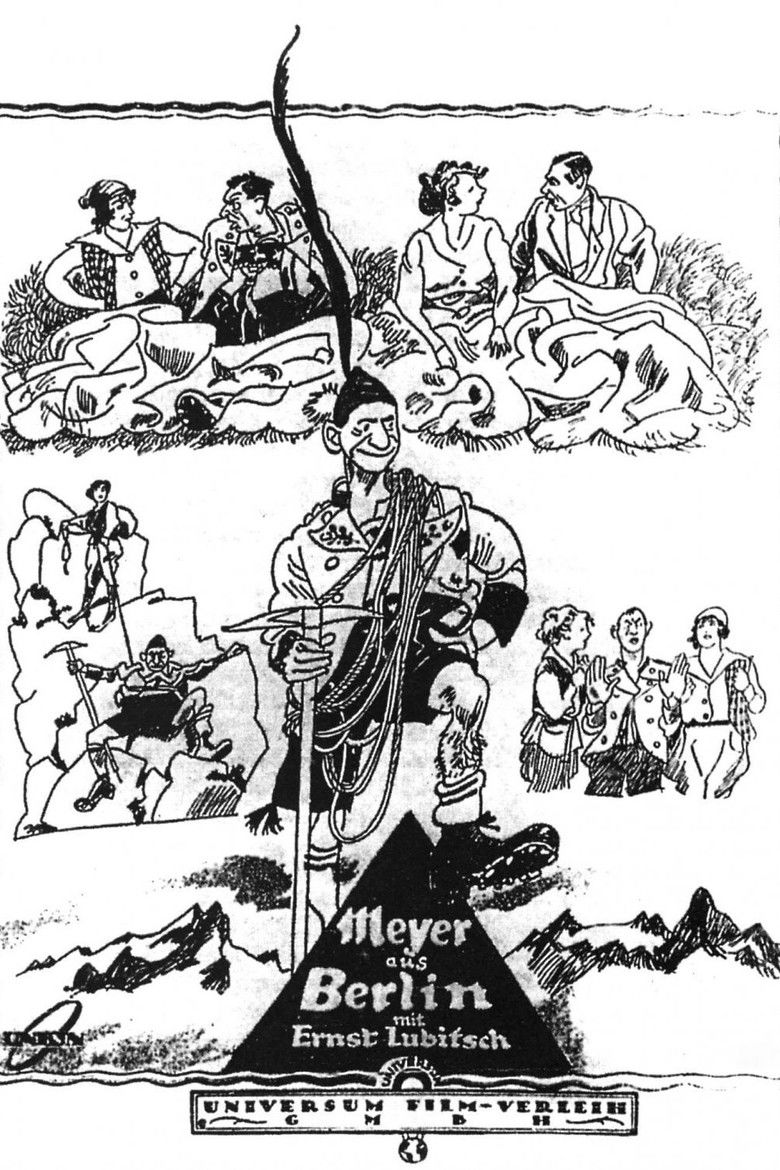
Sally Meyer, a young Berliner, persuades his Doctor to convince his wife that he is ill, so that he is able to take a holiday in the Austrian Alps.
Overall Score
Fair
Category Breakdown
LGBTQ+ Representation
The film lacks explicit evidence of LGBTQ+ characters or non-heteronormative identities. The narrative focuses on a deceptive ruse within traditional marital structures.
Gender Representation
Male agency drives the plot as Sally Meyer uses medical deception to escape domestic life. The female characters appear primarily as recipients of his actions.
Racial & Ethnic Diversity
Set in post-WWI Germany, the film reflects the homogeneous social structures of its era. The focus remains on Western European social dynamics.
Religious & Cultural Diversity
The story challenges institutional authority by showing a character manipulate a doctor to bypass social responsibilities. It prioritizes individual desire over rigid moral structures.
Disability Representation
Illness is used strictly as a narrative device for deception. There is no representation of actual physical or neurodivergent disabilities.
Strengths
Areas for Improvement
AI Analysis
Meyer aus Berlin is a sophisticated social comedy that prioritizes wit and the subversion of social norms over demographic breadth. While it lacks intersectional complexity, it uses humor to navigate systemic constraints and domestic expectations. The film's focus is deeply rooted in its specific 1919 European context, centering on a Berliner protagonist. This results in a narrative that reflects the homogeneous social structures of the time rather than a diverse cast. Ultimately, the work functions as an exploration of individual agency. It uses deception to disrupt conventional authority, though it does so within a framework that favors male-driven plot progression.
1916
1917

1995

2019
1932

2009

1994

1976
1915

1978

1912

1954
No reviews yet. Be the first to share your thoughts on this movie!
Use the rating form above to leave a star rating and optional review.