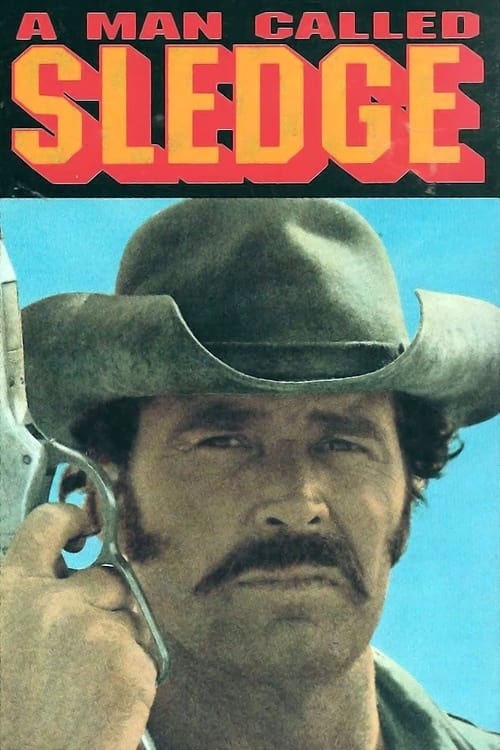
A Man Called Sledge
1970
No user ratings available yet
Diversity score: 3.0 out of 10
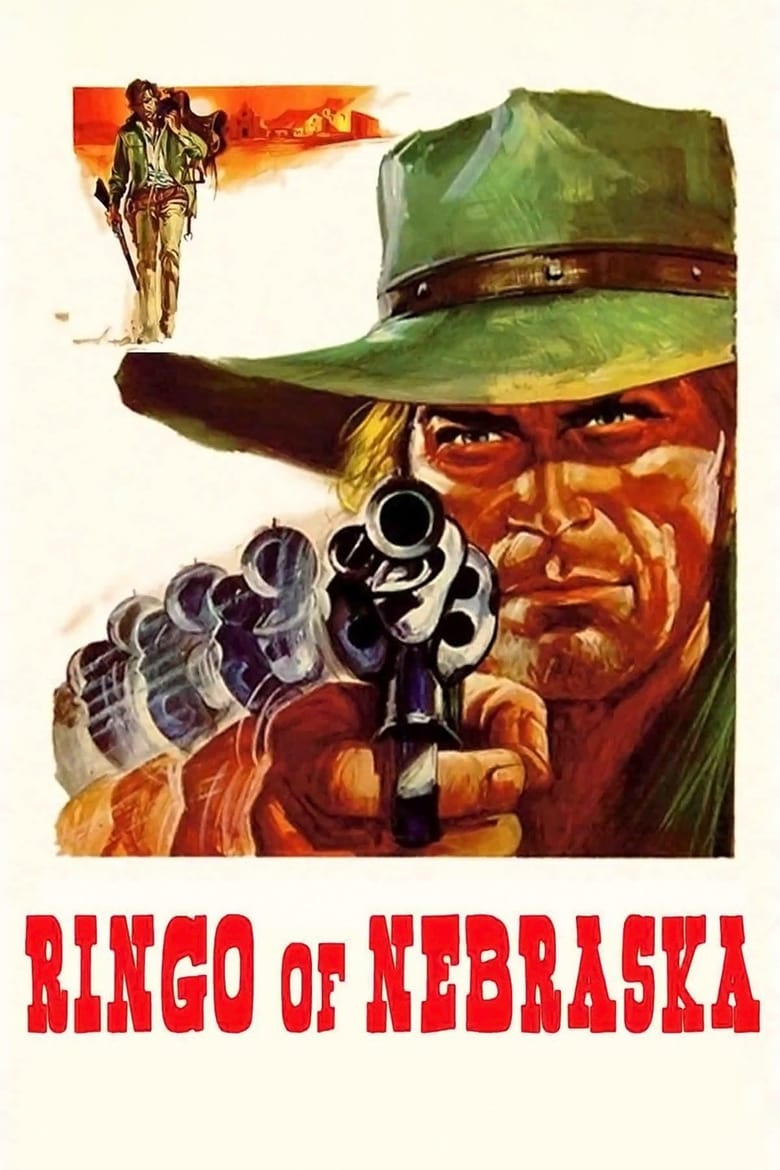
1966
Director
Antonio Román, Mario Bava
Runtime
83 minutes
Average Rating
No ratings yetSynopsis
A drifter helps a ranch couple fend off the approaches of a ruthless landowner.
Overall Score
Limited
Category Breakdown
LGBTQ+ Representation
The film follows standard 1960s Spaghetti Western conventions. It lacks non-cisnormative identities, focusing instead on traditional masculine bonds and heteronormative social structures.
Gender Representation
Agency is concentrated in male protagonists, reinforcing patriarchal leadership. While a ranch couple is mentioned, the plot is driven by male-dominated violence.
Racial & Ethnic Diversity
The cast is predominantly white, reflecting the homogeneous demographic norms of 1966 Euro-Westerns. There is no evidence of color-blind casting or ethnic diversity.
Religious & Cultural Diversity
The film utilizes genre-standard moral relativism rather than systemic critique. It focuses on individual survival and greed within a lawless frontier setting.
Disability Representation
There is no discernible evidence regarding the portrayal of physical or neurodivergent disabilities in this work.
Strengths
Areas for Improvement
AI Analysis
Gunman Called Nebraska is a quintessential product of its era and genre. The film leans heavily into the established tropes of the Spaghetti Western, prioritizing atmospheric tension and individualistic violence over social subversion. Its narrative architecture reinforces traditional hierarchies, particularly regarding gender and race. The focus remains on masculine archetypes and a predominantly white cast, which aligns with the demographic norms of 1966 Western productions. While the film offers a slight departure from absolute moralism through its inherent gray morality, it lacks the intentionality to challenge established social structures or provide intersectional representation.
1970
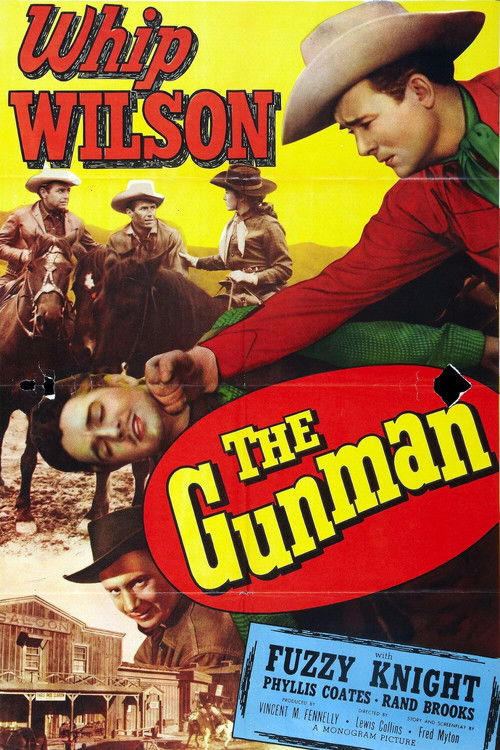
1952
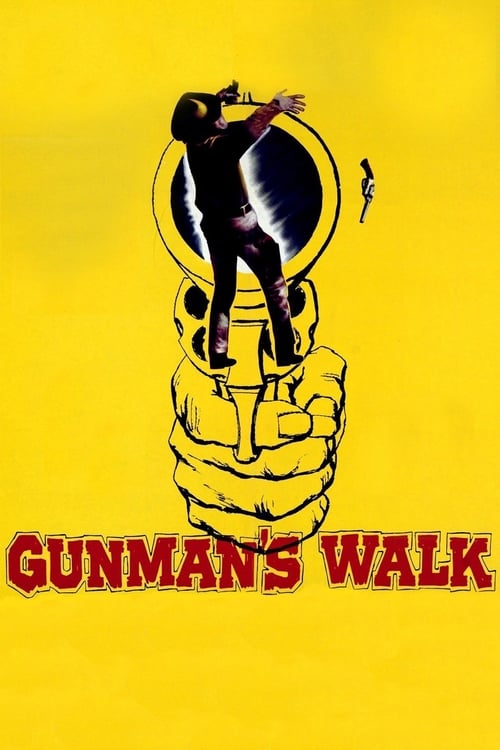
1958
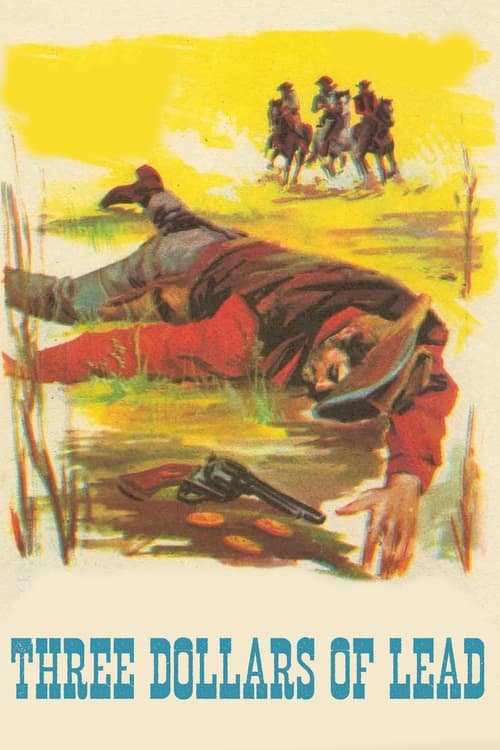
1964
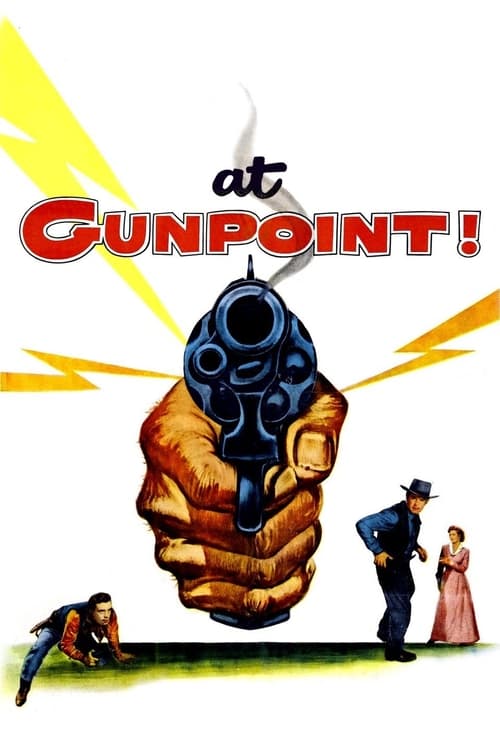
1955
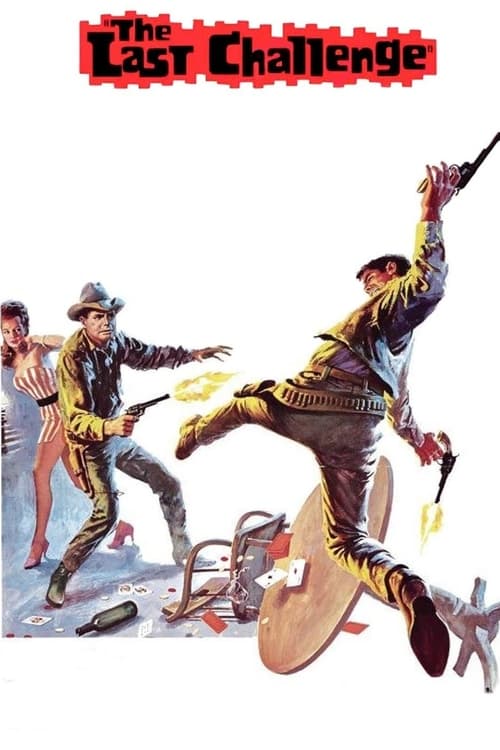
1967
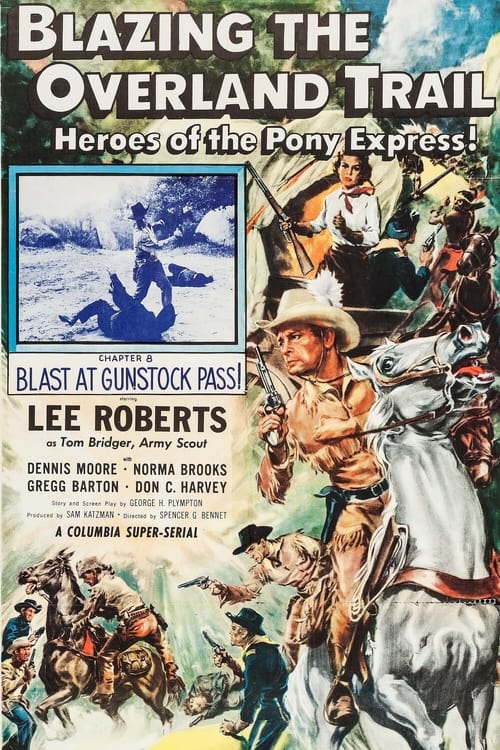
1956
1967
1968
1971
1967

1971
No reviews yet. Be the first to share your thoughts on this movie!
Use the rating form above to leave a star rating and optional review.