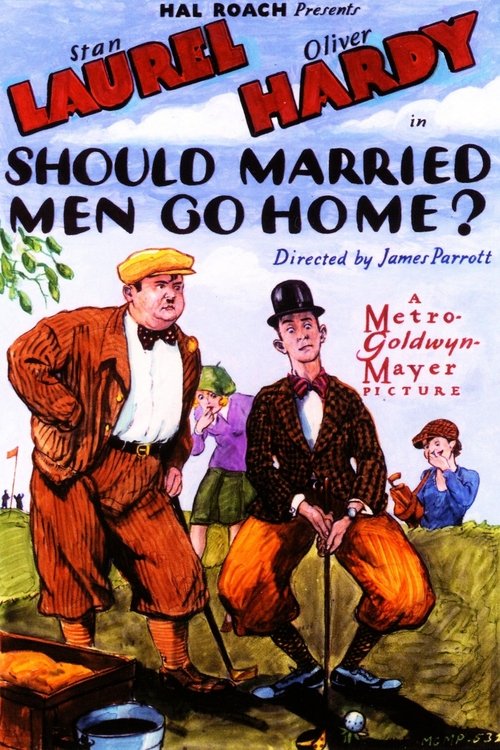
Should Married Men Go Home?
1928
No user ratings available yet
Representation score: 1.2 out of 10
Representation Score
Minimal
1928
PassedDirector
Leo McCarey
Runtime
20 minutes
Average Rating
No ratings yetNew Showbiz Analysis
Leo McCarey’s comedy hinges on the tension between domestic duties and social rule-breaking. The plot revolves around men trying to bypass their wives' control to engage in male-centric activities. While the film delves into power dynamics through deception, it stays within the traditional social structures of the late silent era. The inclusion of a jealous boxer and flirtatious women indicates a dependence on typical period clichés. Overall, the work lacks complexity in reflecting multiple aspects of identity, focusing instead on the humorous subversion of household stability and the volatile nature of traditional masculinity.
Category Breakdown
The film centers on traditional romantic relationships and social circles. It does not include characters with non-binary genders or challenge assumptions about everyone being straight.
The story deals with power struggles between men and women, particularly through the protagonists trying to avoid their wives' control. It uses clichés involving flirtatious women and unpredictable men.
The film probably mirrors the limited diversity of 1928 Hollywood. Its structure follows typical Western social norms from the silent comedy era.
Themes revolve around the conflict between social obligations and personal desires. The humor arises from secret activities like poker games that upset household stability.
There is no indication of characters with visible or invisible disabilities in the provided narrative or credits.
Present on Screen
Limited or Absent
Official Synopsis
Stan & Ollie attempt to fool their wives by sneaking out to a poker game, but instead get involved with two flirty ladies, one of whom is the girlfriend of a jealous boxer.
1928

1926
1934

1933
1932

1930

1929
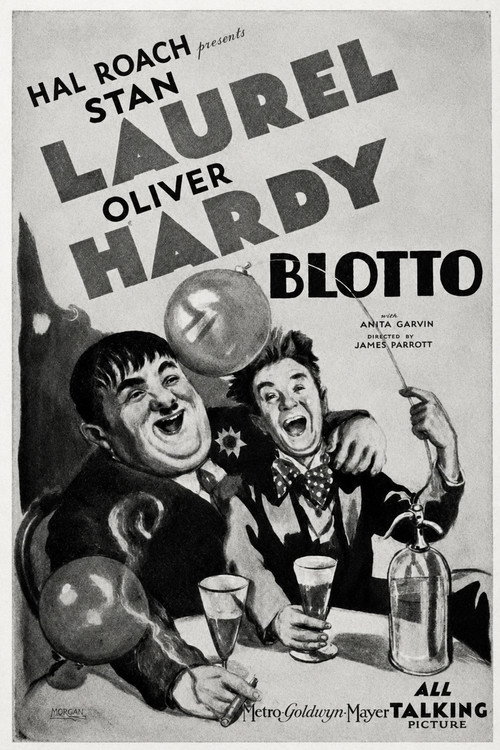
1930
No reviews yet. Be the first to share your thoughts on this movie!
Use the rating form above to leave a star rating and optional review.