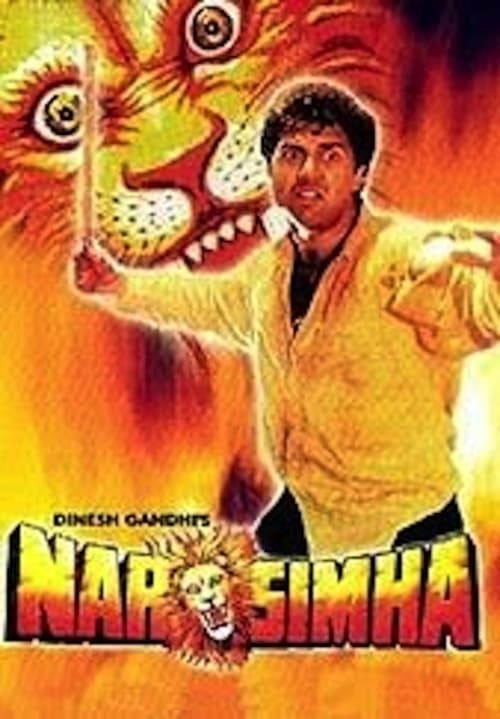
Narsimha
1991
No user ratings available yet
Representation score: 2.4 out of 10
Representation Score
Limited
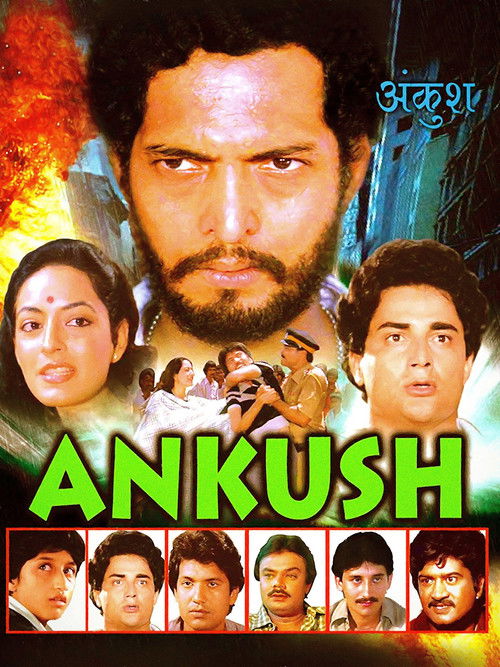
1986
Director
N. Chandra
Runtime
149 minutes
Average Rating
No ratings yetNew Showbiz Analysis
Ankush is a socio-political critique focusing on the breakdown of systems rather than diverse demographics. It explores power dynamics and the failure of societal contracts, yet it stays within the traditional cinematic archetypes of its time. It lacks exploration of multiple aspects of identity and relies on conventional gender roles. The film’s strength lies in its portrayal of the fight against corruption, though it falls short in representing underrepresented groups.
Category Breakdown
The film adheres to traditional assumptions about straight relationships and does not include any characters with non-binary gender identities or same-sex relationships.
Male characters dominate the narrative through physical actions, while female characters mostly support the plot or take emotional roles within the 1980s gender norms.
The cast mainly consists of actors from similar cultural backgrounds, providing authentic representation within a specific South Asian region and language context.
The story critiques institutions by showing law enforcement and civic structures as flawed, presenting vigilantism as a reaction to government failures.
The film does not focus on characters with visible or invisible disabilities, nor does it use such characters as central plot devices.
Present on Screen
Limited or Absent
Official Synopsis
Four unemployed young men befriend their new neighbors, but soon tragedy strikes and everything is shattered.
1991
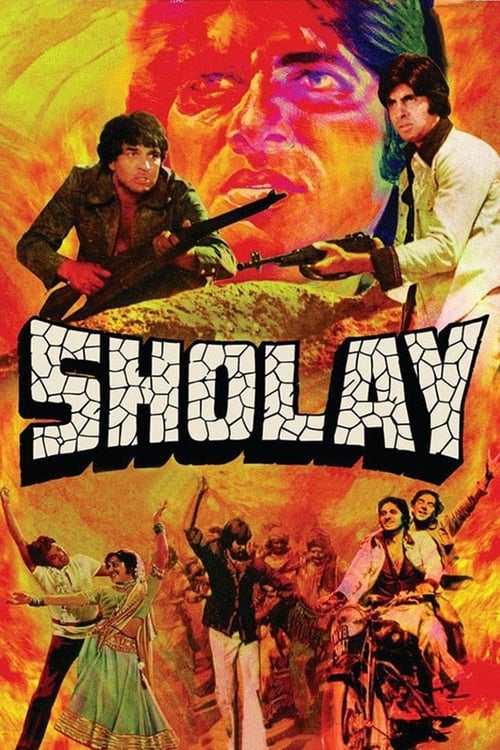
1975

1981
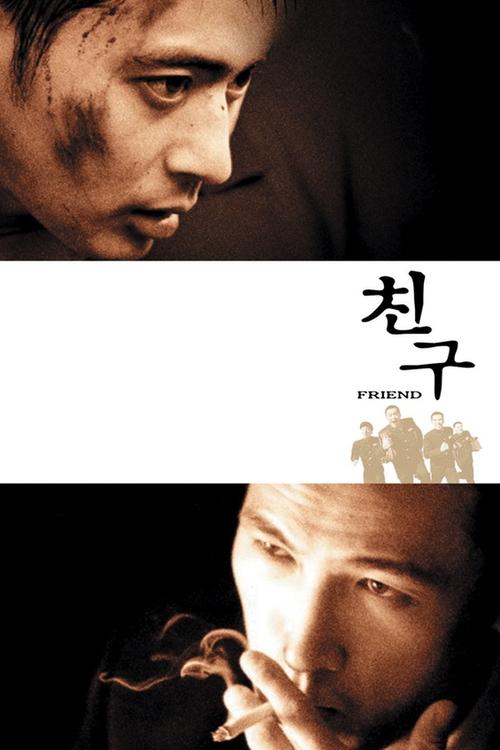
2001
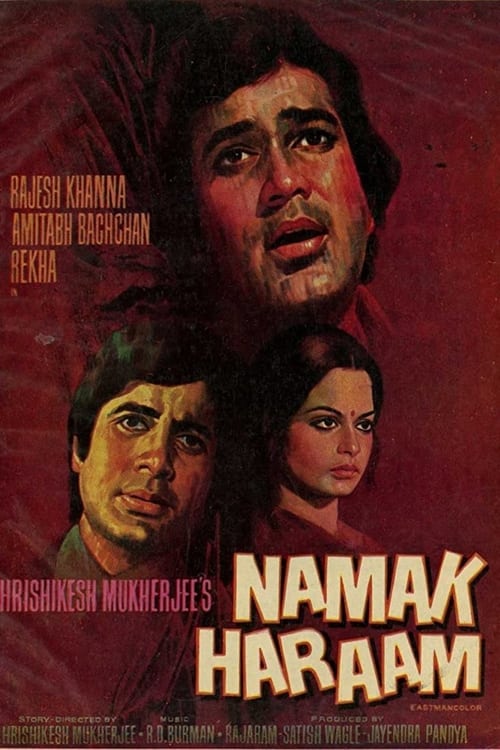
1973
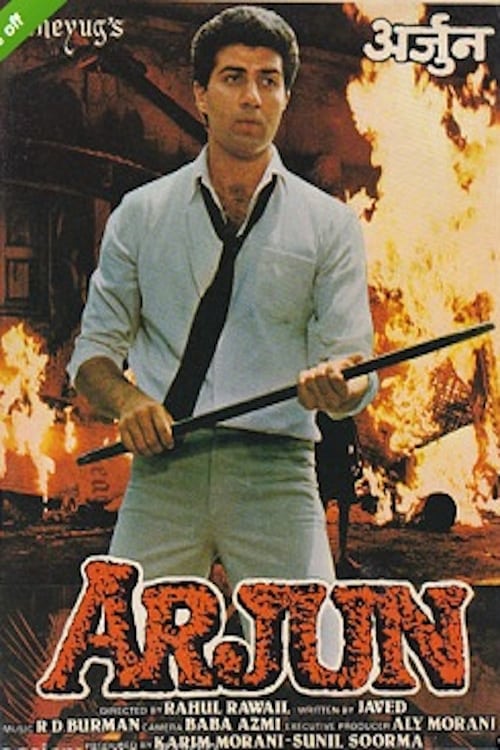
1985
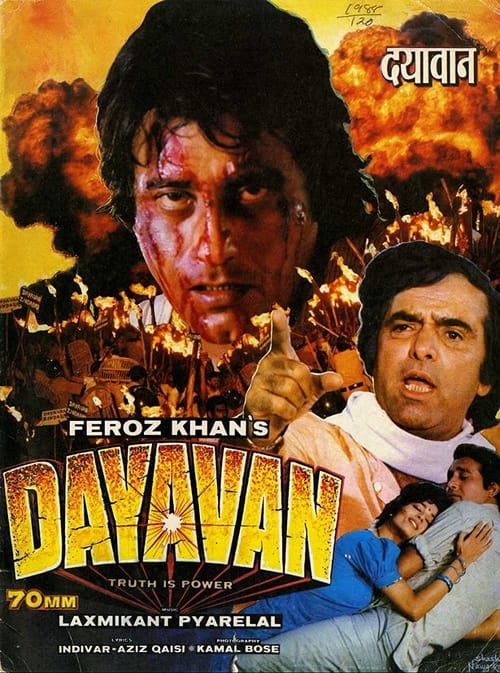
1988

2018
No reviews yet. Be the first to share your thoughts on this movie!
Use the rating form above to leave a star rating and optional review.