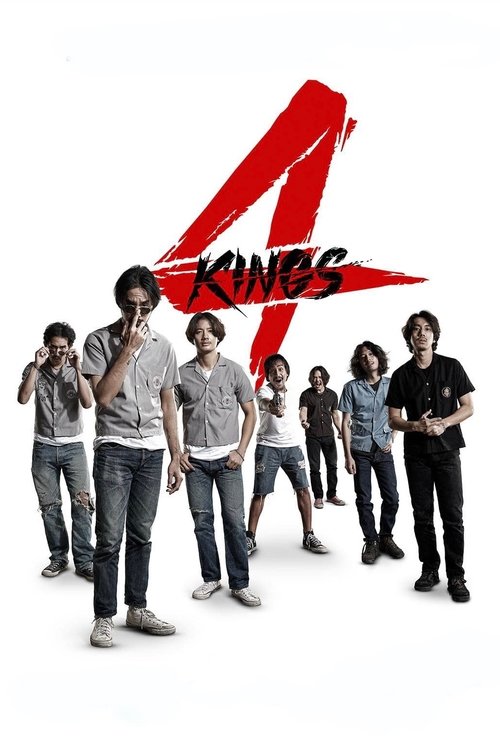
4 Kings
2021
No user ratings available yet
Representation score: 3.0 out of 10
Representation Score
Minimal
2001
Not RatedDirector
Kwak Kyung-taek
Runtime
118 minutes
Average Rating
No ratings yetNew Showbiz Analysis
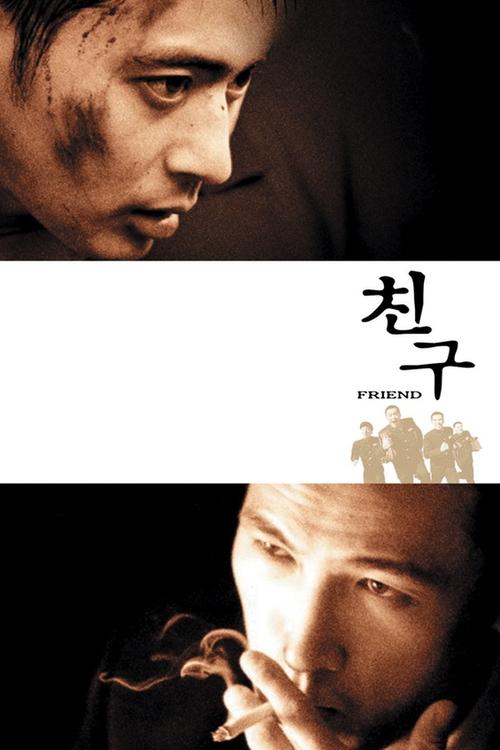
Friend is a seminal South Korean noir that delves into the complexities of localized social structures and male camaraderie. It succeeds in offering a deep immersion into a specific era of South Korean history and the intricacies of peer loyalty. However, the film relies heavily on traditional masculine clichés and a homogeneous cast. The narrative structure focuses on masculine hierarchies and criminal syndicates, reinforcing conventional gender roles. While the film challenges institutional authority through situational ethics, it lacks broad demographic representation.
Category Breakdown
The film adheres to a strictly heterosexual and cisgender framework, with no visible presence of LGBTQ+ identities or critiques of heterosexuality.
The narrative is predominantly male-focused, centered around masculine strength and stoicism. Female characters are peripheral, serving mainly as background elements rather than active agents.
The cast and setting are highly homogeneous, reflecting a specific South Korean demographic without incorporating diverse backgrounds.
The film explores moral relativism by juxtaposing a criminal code of honor against state-sanctioned legality. It provides a nuanced view of how socioeconomic environments shape organized crime.
There is no discernible representation of visible or invisible disabilities within the primary character arcs.
Present on Screen
Limited or Absent
Official Synopsis
Despite their different family backgrounds, four friends grew up together in the wearisome years of the 70s. But as time goes by, each of them takes a different life path.
2021

2009

1997

1996
2018

2003

1997

2008
No reviews yet. Be the first to share your thoughts on this movie!
Use the rating form above to leave a star rating and optional review.