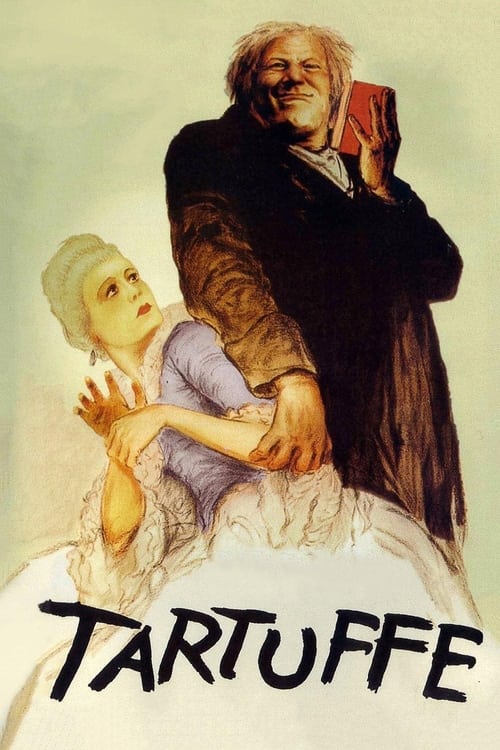
Tartuffe
1926
No user ratings available yet
Representation score: 1.9 out of 10
Representation Score
Limited
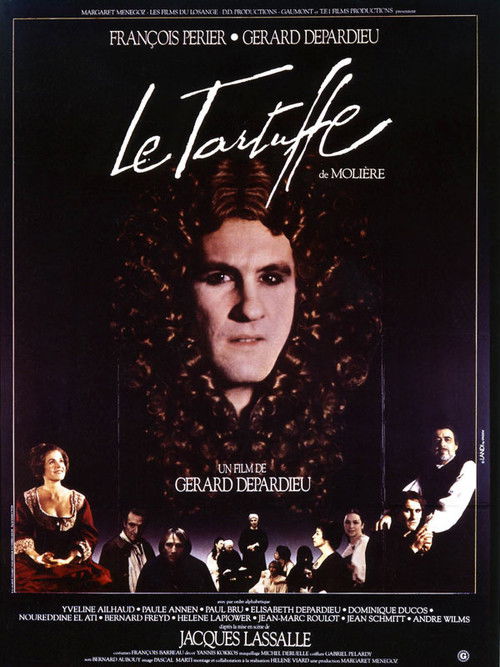
1984
Director
Gérard Depardieu
Runtime
140 minutes
Average Rating
No ratings yetNew Showbiz Analysis
Gérard Depardieu’s adaptation of Molière functions as a classical period piece that prioritizes historical accuracy over modern diversity. The film operates within the demographic constraints of its 17th-century setting, resulting in low scores for racial and LGBTQ+ diversity. However, the film finds strength in its intellectual subversion. It challenges the stability of social hierarchies by centering women's ability to drive the story and providing a scathing critique of religious hypocrisy. The narrative effectively uses the domestic sphere to deconstruct the performative nature of authority and dogma.
Category Breakdown
The film focuses on a strictly heterosexual and cisgender perspective set in 17th-century domestic life. There is no presence of LGBTQ+ identities or queer undertones in the plot.
While men hold formal positions of power, women play a significant role in driving the narrative's resolution. Characters like Elmire and Dorine use their wit and social skills to expose the antagonist and challenge patriarchal structures.
Casting is uniform, reflecting the demographic realities of the French upper class during the Louis XIV era. The film avoids casting actors from diverse backgrounds in favor of historical accuracy.
The story offers a sharp critique of institutionalized religion. It portrays religious piety as a tool used by the antagonist to achieve personal gain and systemic corruption.
No visible or invisible disabilities are portrayed as central to the character arcs or the progression of the plot.
Present on Screen
Limited or Absent
Official Synopsis
Orgon is a man of property duped by the false piety of the penniless Tartuffe. Orgon takes him into his house, believing him a paragon of virtue. Orgon orders his daughter to reject her fiancé and marry Tartuffe. First Dorine, the family servant, tries a strategy to avert the marriage; then Orgon's son tries his hand. They anger Orgon, and to prove paternal power, he disinherits his son and makes Tartuffe his heir. Next Orgon's wife tries to bring her husband insight, a stratagem that partially backfires. With the bailiff at the door ordering Orgon to vacate his own home and with Tartuffe at court to prove Orgon's a traitor, all seems lost.
1926
1980
1941
1961
1988
2002
1983
1976
No reviews yet. Be the first to share your thoughts on this movie!
Use the rating form above to leave a star rating and optional review.