
Dead Man's Letters
1986
No user ratings available yet
Representation score: 3.6 out of 10
Representation Score
Good
1994
Director
Konstantin Lopushansky
Runtime
109 minutes
Average Rating
No ratings yetNew Showbiz Analysis
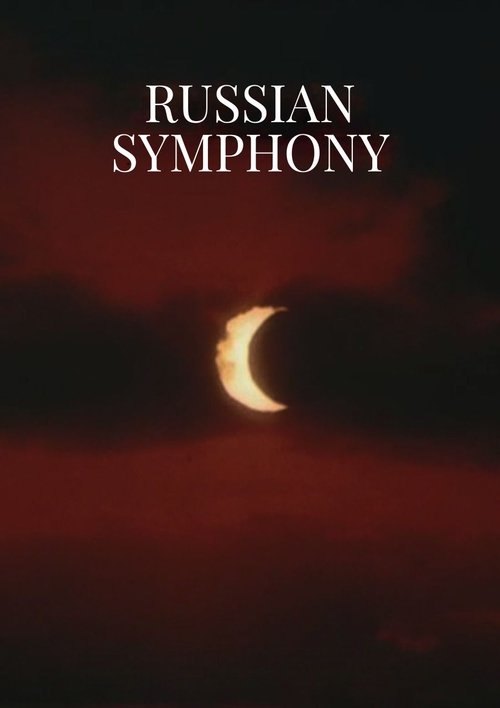
Russian Symphony is a metaphysical drama that emphasizes philosophical questions over broad demographic representation. Its narrative structure centers on a single male experience and the collapse of systemic stability, limiting the visibility of diverse identities. The film excels in its intellectual exploration of moral relativism and subjective reality. It offers a deep, philosophical perspective on mental instability and existential crises. However, it lacks representation of diverse identities and does not explore non-traditional narratives.
Category Breakdown
The film does not include explicit LGBTQ+ characters or stories that go beyond the assumption that everyone is straight. The main focus is on a single character's psychological journey and feelings of despair.
The story revolves around a male protagonist's battle with madness and his sense of responsibility. There is little evidence of strong female roles or challenging traditional gender roles.
Given its origins in mid-90s Russian cinema, the film likely features a mostly homogenous cast. There is no documented evidence of a multi-ethnic or predominantly non-Anglo-Saxon cast.
The film explores complex cultural ideas by using the concept of 'Last Judgment' as a philosophical metaphor rather than strict doctrine. It employs moral relativism to question the stability of institutions.
The protagonist's descent into madness forms a central theme. This provides a detailed, nuanced look at mental instability in a highly stressful environment.
Present on Screen
Limited or Absent
Official Synopsis
Ivan Mazaev finds out that some children were left behind in a sinking school, and is slowly driven mad as he tries to save them. A parable on the theme of The Last Judgment, numerous catastrophic events reveal a certain ambiguity in their origins, accompanied by the terrible suspicion that the things going on are some kind of a performance or theatrical production.
1986
2016

1989
1985
2002
2013
1990
2008
No reviews yet. Be the first to share your thoughts on this movie!
Use the rating form above to leave a star rating and optional review.