Red Line 7000
1965
No user ratings available yet
Representation score: 3.1 out of 10
Representation Score
Limited
1963
Not RatedDirector
Roger Corman
Runtime
84 minutes
Average Rating
No ratings yetNew Showbiz Analysis
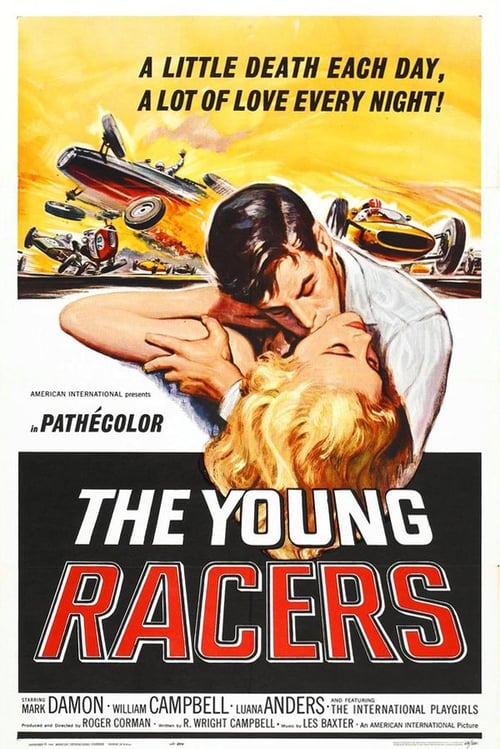
The Young Racers is a genre-driven exploitation film that emphasizes the spectacle of Grand Prix racing. While the use of real racing footage provides an international backdrop, the narrative remains firmly grounded in the social norms of 1963. The film prioritizes traditional masculine archetypes and mid-century Western clichés. The central conflict revolves around professional rivalry and individual morality, offering limited opportunities for subverting established social hierarchies. Ultimately, the production operates within the standard demographic and cultural parameters of its time, focusing on conventional character dynamics rather than diverse or non-conformist representation.
Category Breakdown
The film does not include any depictions of LGBTQ+ identities or same-sex relationships. Instead, it focuses on a protagonist who embodies traditional heterosexual norms.
The story centers on a male-dominated racing world where women primarily serve as motivators or objects of pursuit, rather than having their own independent roles.
While the racing footage includes an international field, the core narrative characters reflect the homogeneous demographics of the era. There are no actively leading characters of color.
The film adheres to mid-century Western dramatic clichés and celebrates high-stakes competition. It does not challenge existing cultural norms or institutions.
There is no evidence of visible or invisible disabilities being part of the character arcs or plot mechanics in this film.
Present on Screen
Limited or Absent
Official Synopsis
A former race car driver-turned-writer attempts to expose a ruthless, womanizing Grand Prix racer. A film constructed around footage shot of actual Grand Prix races in Europe.
1965
1971
1954
1966
1969
2016
1969
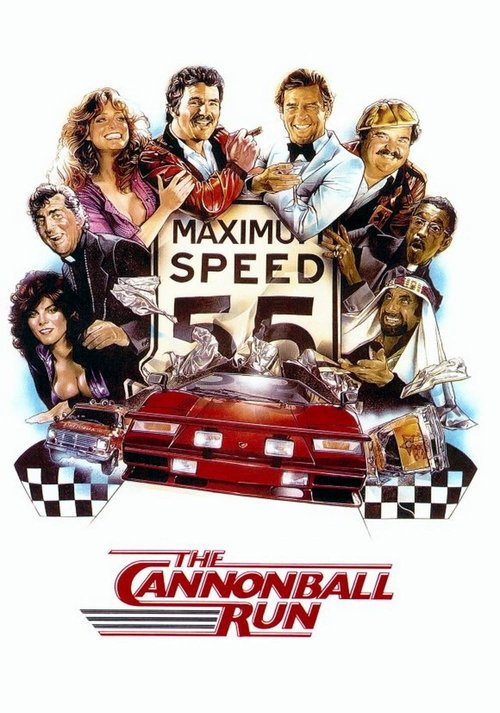
1981
No reviews yet. Be the first to share your thoughts on this movie!
Use the rating form above to leave a star rating and optional review.