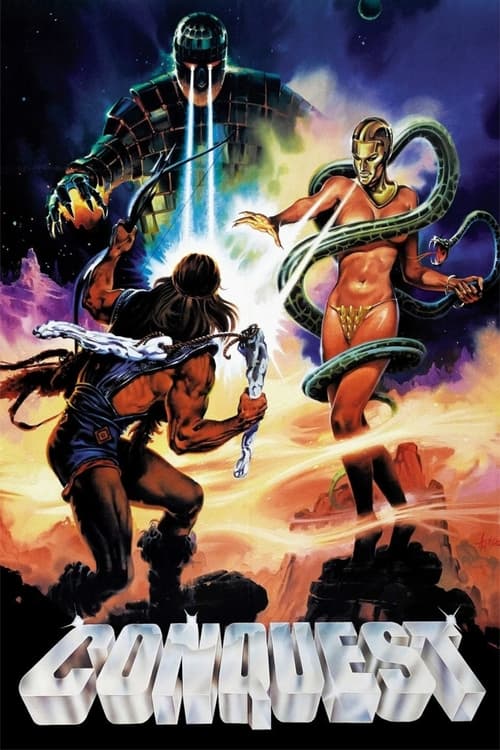
Conquest
1983
No user ratings available yet
Representation score: 0.6 out of 10
Representation Score
Minimal
1982
RDirector
Michele Massimo Tarantini
Runtime
83 minutes
Average Rating
No ratings yetNew Showbiz Analysis
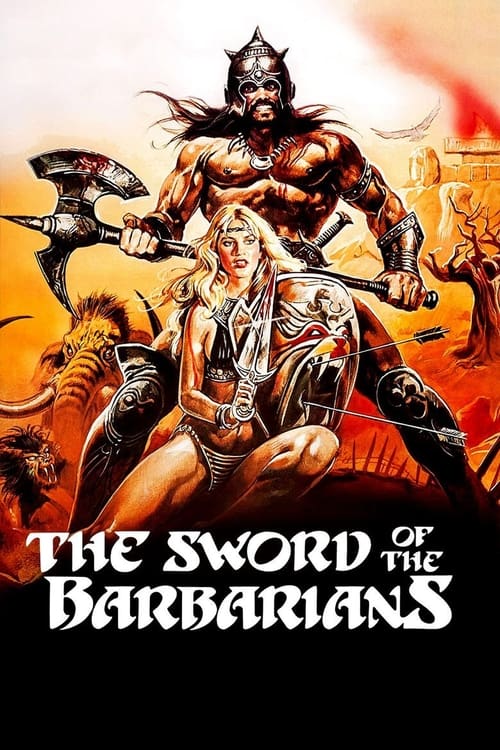
This 1980s sword-and-sorcery film follows conventional genre clichés, focusing on physical action and spectacle over complex narrative elements. Representation is limited by the era's cinematic standards, with traditional archetypes like the male protector and passive female characters.
Category Breakdown
The film does not include any LGBTQ+ characters or stories involving non-straight relationships.
The story centers around a male swordsman who drives the plot forward. Female characters, such as the protagonist's wife, play supporting roles without much independence.
The film uses typical Eurocentric fantasy elements common to the time period. It does not feature characters from diverse ethnic backgrounds.
The story follows a straightforward Western moral framework, using a simple good-versus-evil setup centered around a hero's quest for vengeance.
The narrative emphasizes physical strength and combat skills. There are no characters with visible or invisible disabilities.
Present on Screen
Limited or Absent
Official Synopsis
A swordsman's wife is murdered by followers of the evil Goddess Rani. He vows vengeance upon the cult and journeys to the Ark of the Templars to get a magic crossbow that will help him accomplish his mission.
1983
1924

1980
1985
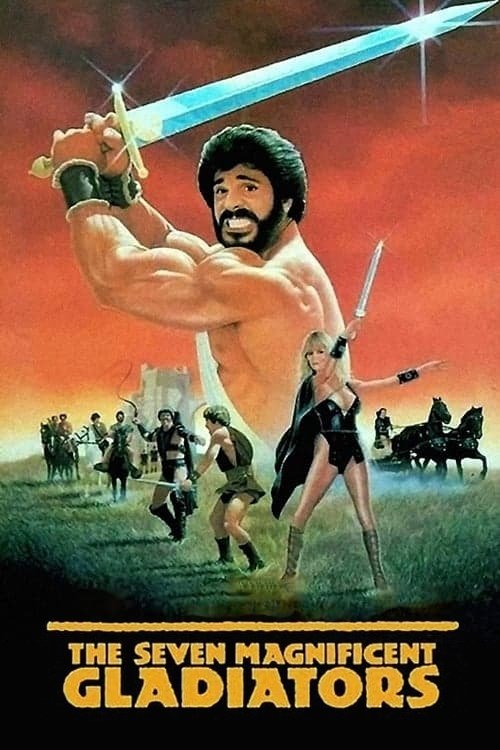
1983
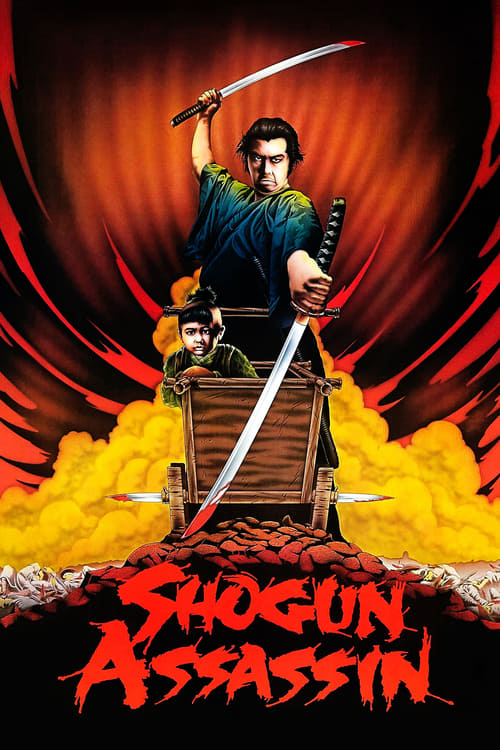
1980
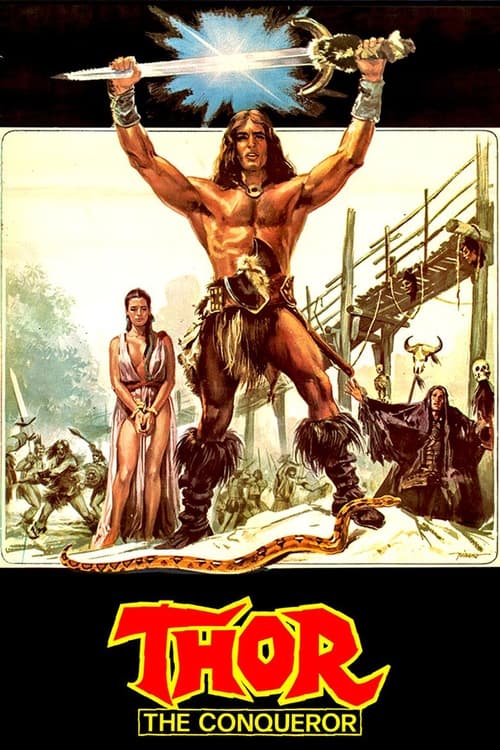
1983
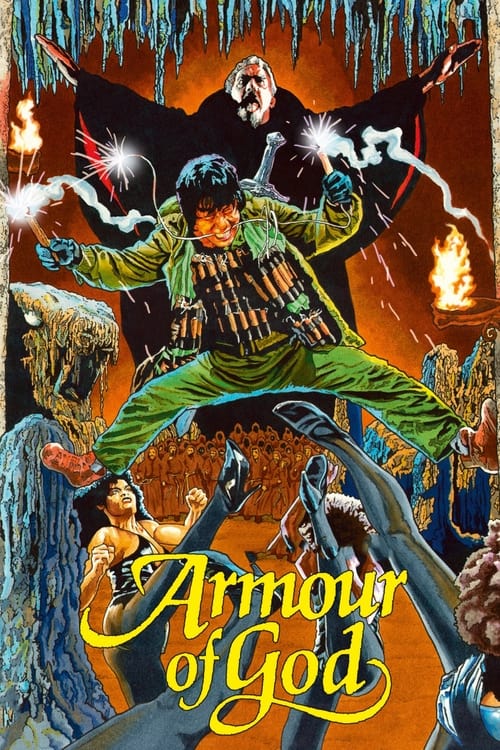
1986
No reviews yet. Be the first to share your thoughts on this movie!
Use the rating form above to leave a star rating and optional review.