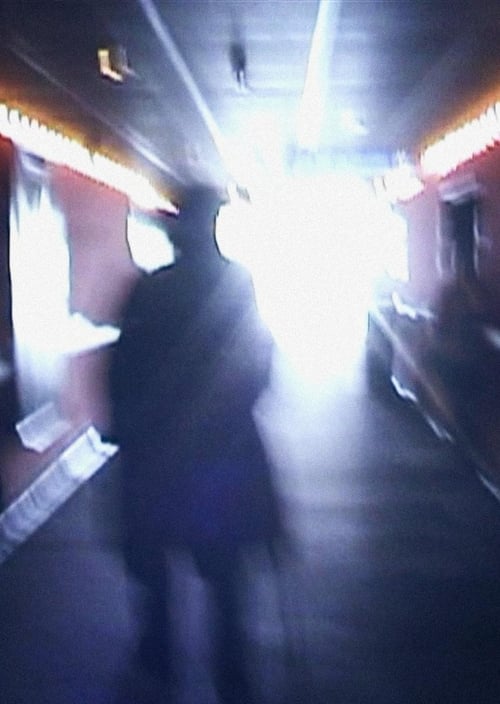
Stan Brakhage Exits the Cinema and Enters the Light of Day
2002
No user ratings available yet
Representation score: 0.6 out of 10

Representation Score
Limited
2013
Director
Phil Solomon
Runtime
6 minutes
Average Rating
No ratings yetNew Showbiz Analysis
Phil Solomon’s experimental documentary functions more as a formal meditation on film history than a study of social representation. By using alchemical treatments on the legacies of Chaplin and Keaton, the film prioritizes sensory experience over traditional biographical storytelling. The work's strength lies in its cultural subversion. It challenges the sanctity of the cinematic archive, offering a postmodern critique of how history is preserved. This approach provides a sophisticated, albeit abstract, way to engage with the Western canon. However, the film remains limited by its subject matter. Because it centers on early 20th-century icons, it lacks representation regarding race, gender, and orientation, remaining largely tethered to the era's historical homogeneity.
Category Breakdown
The film focuses on silent film icons and does not include explicit LGBTQ+ character arcs. It does not address non-straight relationships or identities.
The film centers on the masculine archetypes of Chaplin and Keaton. However, it moves away from traditional heroic clichés toward a more abstract portrayal.
The subject matter is tied to the historically homogeneous Western cinematic tradition. It does not introduce diverse casting or narratives to challenge the era's constraints.
The work embraces progressive values by rejecting linear documentary structures. It treats historical artifacts as malleable, subjective materials rather than fixed truths.
There is no documented evidence of characters or subjects portraying visible or invisible disabilities within this experimental framework.
Present on Screen
Limited or Absent
Official Synopsis
An alchemically treated lullaby to the end of cinema, featuring Charlie Chaplin and Buster Keaton.
2002
2003
2015
1995

1976

2003

1989

2021
No reviews yet. Be the first to share your thoughts on this movie!
Use the rating form above to leave a star rating and optional review.