
Myths
2017
No user ratings available yet
Representation score: 4.6 out of 10
Representation Score
Good
2014
NRDirector
Henco J.
Runtime
11 minutes
Average Rating
No ratings yetNew Showbiz Analysis
The film offers a unique deconstruction of mythology by transplanting a high-status deity into a low-status, modern socio-economic environment. This framework shifts the narrative from epic scale to intimate, psychological reality. While the film excels at subverting traditional power structures through its secular approach to divinity, it lacks specific information regarding racial or LGBTQ+ representation. The focus remains heavily on the protagonist's internal struggle and the tension between the divine and the mundane. Ultimately, the work functions as a study of displacement, prioritizing humanized ability to act and modern psychological discourse over classical, rigid hierarchies.
Category Breakdown
The film does not provide explicit evidence of queer identities or dynamics that challenge the assumption that everyone is straight. The central conflict revolves around a deity's transition from divine status to ordinary human life.
The story centers on a powerful female character who loses her cosmic authority, shifting from mythological dominance to psychological vulnerability. This transformation humanizes a traditionally high-status archetype.
The film does not provide specific details about the racial makeup of the supporting cast. The narrative focuses on the protagonist's mythological displacement rather than ethnic diversity.
The film challenges traditional religious authority by prioritizing modern, clinical frameworks over religious ones. Subjecting a supreme deity to modern psychotherapy critiques traditional institutional hierarchies.
The protagonist's reliance on therapy highlights the importance of mental health and psychological displacement. This provides a foundation for representing invisible psychological states.
Present on Screen
Limited or Absent
Official Synopsis
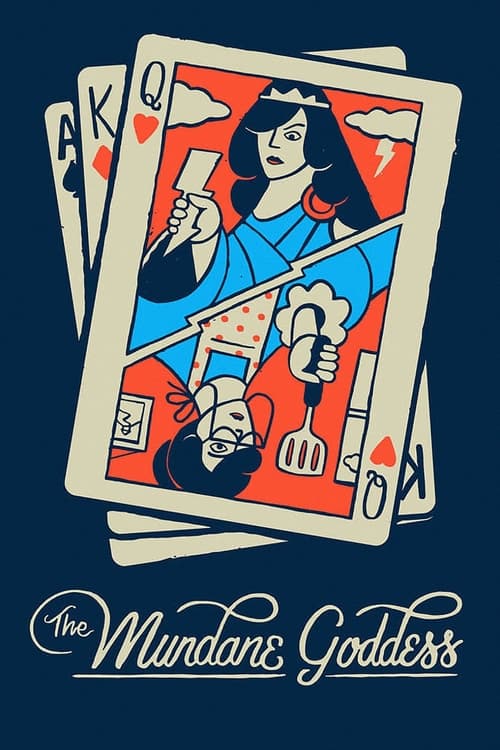
Hera, Queen of the Greek gods, is forced to live a mundane existence among modern day humans. In an effort to cope with this reality she visits a therapist.
2017

2015

1998
1977
2020

2008
2018

1970
No reviews yet. Be the first to share your thoughts on this movie!
Use the rating form above to leave a star rating and optional review.