
Black Knight
2001
No user ratings available yet
Representation score: 4.6 out of 10

Representation Score
Limited
1970
GDirector
Arthur Allan Seidelman
Runtime
92 minutes
Average Rating
No ratings yetNew Showbiz Analysis
Hercules in New York is a transitional piece of media that uses celebrity casting to challenge racial hierarchies of the 1970s. By casting Sammy Davis Jr. as a Greco-Roman hero, the film provides a progressive disruption of period norms. However, the film remains anchored in conventional genre structures. It relies on traditional gender dynamics and lacks representation for LGBTQ+ identities or neurodivergent characters. Ultimately, while the racial casting is a standout achievement, the film's adherence to standard musical comedy clichés limits its broader social impact.
Category Breakdown
The film does not include any LGBTQ+ characters or storylines. It focuses on a strictly heterosexual perspective.
The male protagonist holds the main role within a traditional comedic structure. Female characters are mostly featured for musical performances rather than as key plot drivers.
Casting Sammy Davis Jr. as Hercules challenges traditional expectations of classical heroism. This choice gives significant prominence to a Black performer in a mythic role.
The narrative follows traditional musical comedy clichés without critiquing Western institutions or religion. It uses the urban setting primarily for slapstick humor and performance.
There is no significant depiction of visible or invisible disabilities. The film does not use disability as a plot device or a source of mockery.
Present on Screen
Limited or Absent
Official Synopsis
Hercules is sent from Mount Olympus to modern-day Manhattan, where he takes up professional wrestling before getting mixed up with a gang of mobsters.
2001
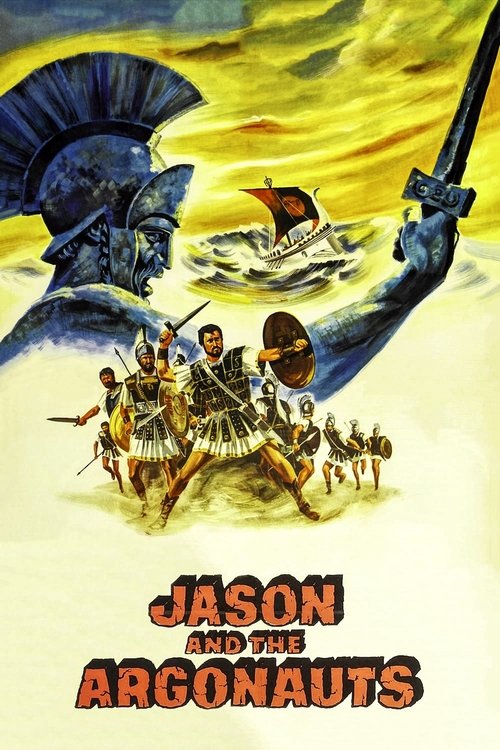
1963
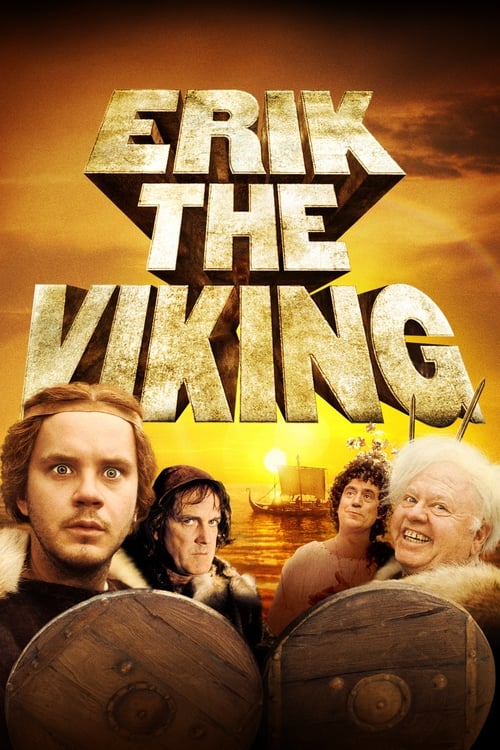
1989
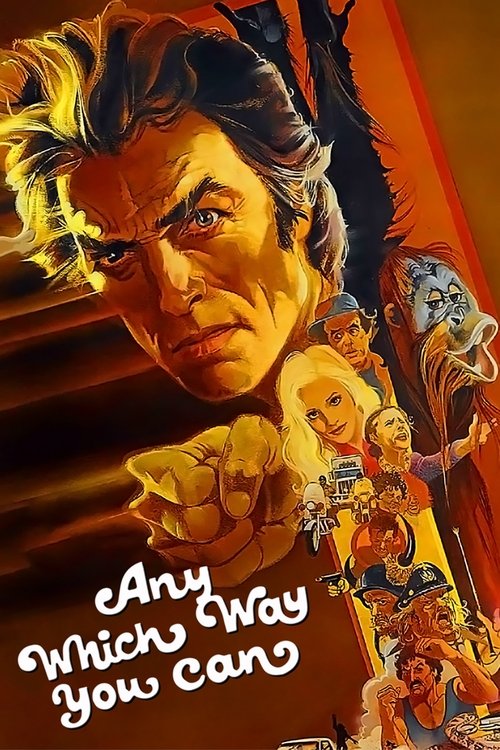
1980
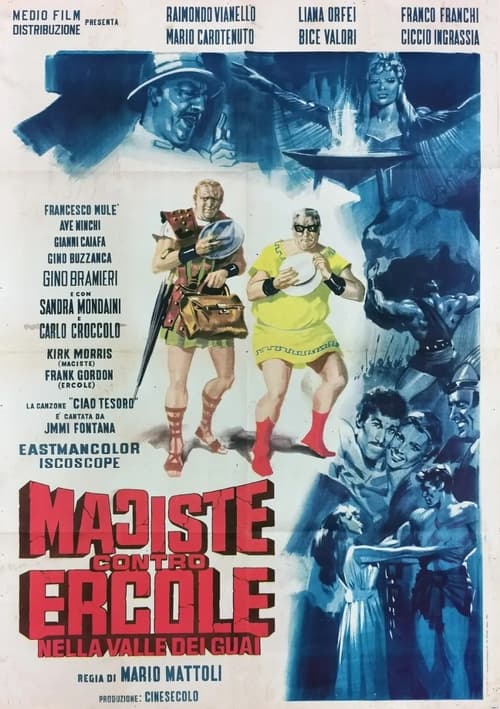
1961
1977

1986
1958
No reviews yet. Be the first to share your thoughts on this movie!
Use the rating form above to leave a star rating and optional review.