The Mundane Goddess
2014
No user ratings available yet
Representation score: 6.3 out of 10
Representation Score
Fair
2017
Director
Alexander Molochnikov
Runtime
89 minutes
Average Rating
No ratings yetNew Showbiz Analysis
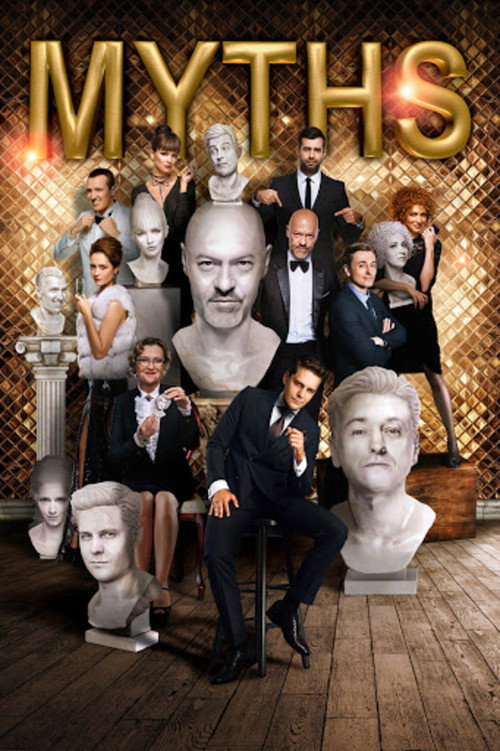
Alexander Molochnikov’s *Myths* serves as a satirical critique of power, transforming Greek mythology into a modern social hierarchy in Moscow. The film’s value lies in its challenge to stable social structures by presenting influential figures as absurd, mythological beings. Although the film provides a clever critique of authority and status, it falls short in offering diverse representation. The narrative remains centered on traditional romantic structures and a specific demographic focus. Ultimately, the work excels as a social commentary rather than a diverse character study, using mythological instability to mock the superficiality of modern power.
Category Breakdown
The story revolves around a traditional romantic conflict between the protagonist and Maria, without addressing non-cisgender identities or critiquing conventional romantic ideas.
The film mocks traditional masculine authority by depicting the 'Zeus' figure as ridiculous. The protagonist challenges typical leadership models through his unique problem-solving methods.
The setting highlights Moscow’s upper class, suggesting a specific demographic focus. There is no indication of diverse casting or non-Anglo-centric representation.
The film uses allegory to criticize modern capitalism and celebrity culture, comparing the pursuit of status to the unpredictable nature of ancient myths, thereby questioning established social institutions.
There is no mention of characters with visible or invisible disabilities in the available information. No narrative details are provided regarding this category.
Present on Screen
Limited or Absent
Official Synopsis
A comedy inspired by legends and myths of Ancient Greece, and by the biographies of the most trendy and popular characters of Moscow’s social Olympus. The film’s hero is a Greek, who decides to repeat Odyssey’s journey but accidentally sails the wrong way. He finds himself in modern Moscow, where he gets acquainted with well-known personalities. These celebrities unselfishly perform incredible nonsense, while the Greek immediately fames himself as a problem-solver. And his advice always works, even if not quite the way the customers want. But the main problem which the Greek must solve is his own. He falls in love with Maria, the wife of Moscow’s “Zeus”. And to conquer her, the Greek must first rescue all the “gods” on the Moscow Olympus.
2014
2008
2008
1985
2011

2017
2017

1970
No reviews yet. Be the first to share your thoughts on this movie!
Use the rating form above to leave a star rating and optional review.