
Mardock Scramble: The Second Combustion
2011
No user ratings available yet
Diversity score: 6.1 out of 10

2013
Director
Tomonori Sudo
Runtime
89 minutes
Average Rating
No ratings yetSynopsis
A side story of the original Kara no Kyōkai - the Garden of sinners movie series divided into 2 parts. In the first part, Shizune Seo, who finds her life too predictable due to her precognition, and Mitsuru Kamekura, who uses his precognition to be a professional bomber, meet Mikiya and Shiki, respectively, and their futures begin to change. In the second part, 10 years after the original series, Shiki and Mikiya's daughter, Mana Ryōgi, spends a day with Mitsuru.
Overall Score
Fair
Category Breakdown
LGBTQ+ Representation
The film lacks explicit queer narrative structures or same-sex romantic arcs. While Shiki Ryougi’s identity presentation offers some fluidity, the story focuses primarily on the existential weight of precognition.
Gender Representation
Shiki Ryougi disrupts traditional hierarchies by acting as a primary combatant with immense agency. The relationship with Mikiya Kokutou subverts the protector archetype, positioning him as an emotional anchor instead.
Racial & Ethnic Diversity
The cast is ethnically homogeneous, reflecting its specific urban Japanese setting. The film does not attempt to integrate diverse ethnic perspectives or utilize intersectional casting.
Religious & Cultural Diversity
The narrative prioritizes existential inquiry and situational ethics over religious dogma. Characters navigate a world where moral boundaries are blurred by metaphysical necessity and personal agency.
Disability Representation
The film explores the psychological burden of precognition as a form of invisible neurodivergent-adjacent experience. These traits are treated as fundamental identity components rather than tools for pity.
Strengths
Areas for Improvement
AI Analysis
The film excels at deconstructing traditional character archetypes, particularly through its subversion of gender roles. Shiki Ryougi provides a powerful example of female agency that avoids common tropes. However, the work is limited by its narrow demographic scope. The setting remains ethnically homogeneous, and the narrative lacks explicit LGBTQ+ storylines, which restricts its overall breadth. Ultimately, the film is a sophisticated study of subjectivity. It trades conventional moral binaries for complex, metaphysical explorations of identity and fate.
2011

2011

1989

2012
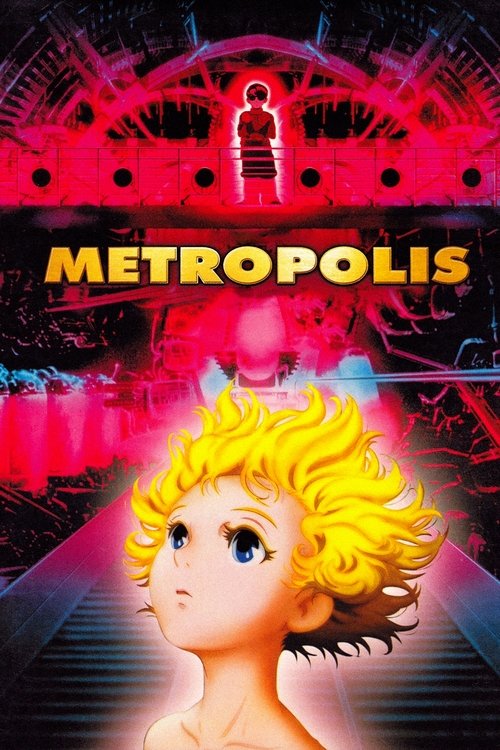
2001

2005
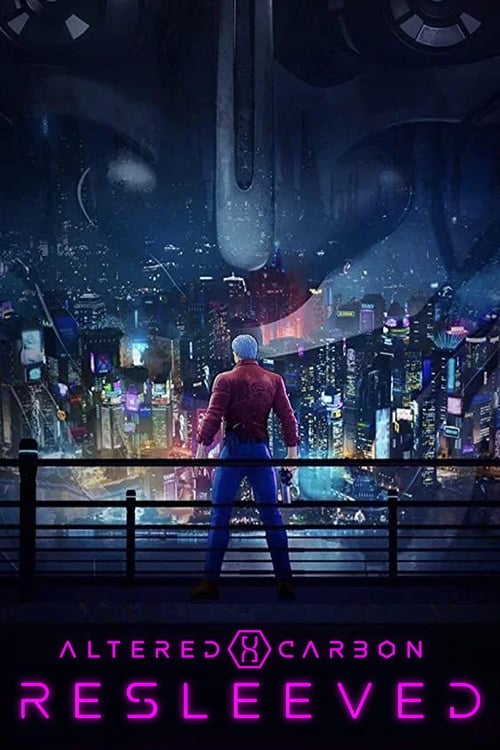
2020

2021

2009

2013

2019

2019
No reviews yet. Be the first to share your thoughts on this movie!
Use the rating form above to leave a star rating and optional review.