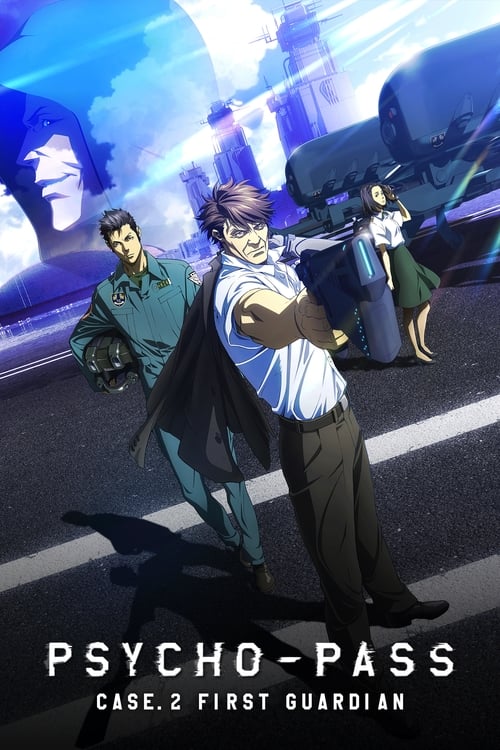
Psycho-Pass: Sinners of the System - Case.2 First Guardian
2019
No user ratings available yet
Representation score: 7.7 out of 10

Representation Score
Good
2019
RDirector
Naoyoshi Shiotani
Runtime
60 minutes
Average Rating
No ratings yetNew Showbiz Analysis
The film is a thought-provoking exploration of systemic authority and the erosion of personal autonomy in a technocratic society. It excels in its intellectual critique of power structures and its rejection of traditional gender stereotypes. Despite offering a sophisticated analysis of institutional power, the film lacks broad demographic representation. The narrative prioritizes the deconstruction of concepts like truth and guilt over explicit representation of diverse identities. Ultimately, the film's progressive value lies in its complex moral questioning and its examination of how technology shapes human morality, while remaining culturally and demographically focused.
Category Breakdown
The film focuses on professional hierarchies and the psychological impact of enforcement, without explicitly depicting non-straight or non-cisgender identities or intimate relationships between people of the same sex.
Women play key roles as leaders and intellectuals, rejecting the idea that law enforcement is dominated by men. The film distributes power based on professional achievement rather than gender.
The cast is mostly made up of people with similar backgrounds, fitting the story's Japanese setting. This leads to a lack of racial mixing.
The film questions Western ideas of absolute justice by portraying the Sibyl System as a potentially oppressive force. It challenges state-mandated morality through a lens of moral relativism.
The story explores mental health by constantly monitoring psychological states. However, characters are often portrayed as subjects of state control rather than individuals with ability to act over their conditions.
Present on Screen
Limited or Absent
Official Synopsis
In the winter of 2117, a runaway vehicle crashes into the Public Safety Bureau Building. The driver is identified as Izumi Yasaka, a psychological counselor at the Sanctuary, a Latent Criminal Isolation Facility in Aomori Prefecture. But right before her interrogation, Inspector Mika Shimotsuki and Enforcer Nobuchika Ginoza are tasked with promptly escorting Yasaka back to Aomori. What awaits them there is a False Paradise.
2019

2015

2019

2019

2015
2023

2014

2020
No reviews yet. Be the first to share your thoughts on this movie!
Use the rating form above to leave a star rating and optional review.