
Dirty Pair: Flight 005 Conspiracy
1990
No user ratings available yet
Representation score: 4.9 out of 10
Representation Score
Excellent
2001
PG-13Director
Rintaro
Runtime
107 minutes
Average Rating
No ratings yetNew Showbiz Analysis
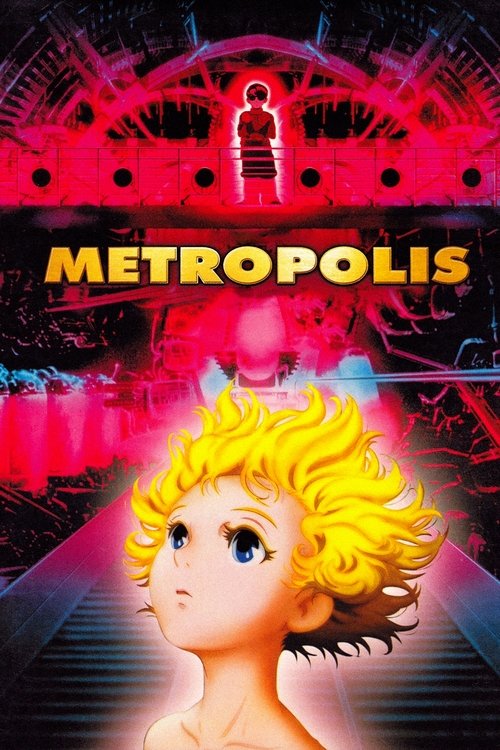
Metropolis is a complex science fiction film that uses synthetic life to question social structures. By focusing on the 'other,' the film critiques the corruption of centralized power and rigid systems. The film excels in exploring themes of personhood and identity through genre clichés. It also offers a critique of capitalist exploitation and the blurring of lines between natural and artificial life. While it shines in gender representation and social commentary, it lacks explicit LGBTQ+ characters or non-traditional gender expressions.
Category Breakdown
The film doesn't include explicit stories about LGBTQ+ people or show intimate moments between same-sex couples. It explores identity through synthetic life but keeps the main characters traditional.
Michiko is a key driver of the plot with significant influence and strength. Women are shown as central to the story's conflicts, avoiding stereotypes of weakness or passivity.
The film features a mix of characters from various backgrounds in a global city. The contrast between humans and synthetic beings symbolizes groups fighting for recognition.
The story critically examines capitalist systems and the commercialization of life. It delves into moral ambiguity and the oppressive nature of societal structures.
The film looks at physical differences through synthetic beings. Characters with unique physical traits are given meaningful roles rather than being used just for sympathy.
Present on Screen
Limited or Absent
Official Synopsis
In the midst of societal conflict in the futuristic city of Metropolis, Kenichi and his uncle Shunsaku Ban set out to uncover the mystery behind the first human-like robot, Tima.
1990
1989

1999

1982

1987

1981

1979

1985
No reviews yet. Be the first to share your thoughts on this movie!
Use the rating form above to leave a star rating and optional review.