
The Rough and the Smooth
1959
No user ratings available yet
Representation score: 0.4 out of 10
Representation Score
Limited
1959
Director
Albert Lipton
Runtime
94 minutes
Average Rating
No ratings yetNew Showbiz Analysis
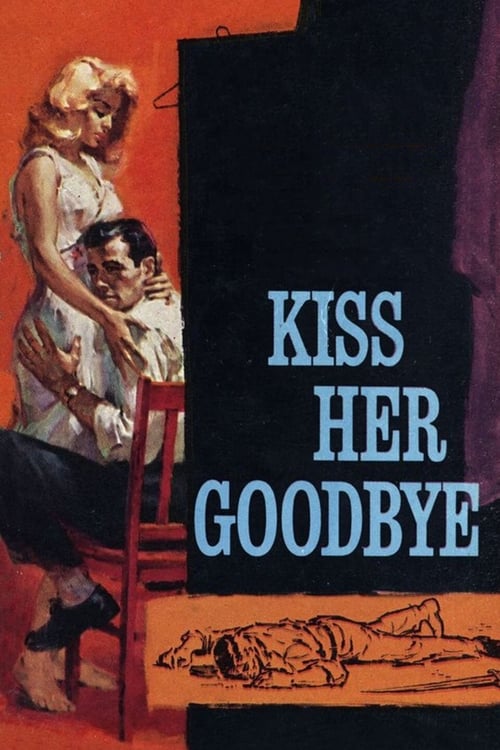
Kiss Her Goodbye is a classic mid-century melodrama that emphasizes traditional social structures over diverse representation. While it offers a glimpse of a woman's internal desires, it remains confined within the gender and moral norms of its time. The film lacks depth in its portrayal of diverse identities and experiences. It relies on period-specific clichés, such as the 'hysterical woman,' which serve the plot rather than providing authentic representations of mental health issues. Overall, the film reinforces the status quo by avoiding challenges to traditional gender roles, racial hierarchies, and cultural institutions, focusing instead on the consequences of personal actions within a conventional framework.
Category Breakdown
The film does not include any LGBTQ+ characters or relationships outside of traditional heterosexual dynamics. The romantic tension revolves around conventional heterosexual relationships.
The film presents a nuanced exploration of the female protagonist's emotions, but it still adheres to traditional gender roles and societal structures.
The cast is homogeneous, typical of films from the 1950s. There are no non-white characters or racially diverse representation in the film.
The drama upholds conventional moral standards of the late 1950s. It reinforces traditional family structures and social order without questioning established cultural norms.
The protagonist's emotional instability is portrayed as a 'hysterical woman' cliché, lacking a nuanced depiction of neurodivergence or empowerment.
Present on Screen
Limited or Absent
Official Synopsis
In this tense psychological drama, an emotionally unstable young woman and her brother drift from town to town. When a sympathetic motel maid takes pity on the girl -- and becomes romantically involved with her brother -- it could inadvertently spell doom for all of them.
1959

1950

1956
1952

1953

1964
1967
1970
No reviews yet. Be the first to share your thoughts on this movie!
Use the rating form above to leave a star rating and optional review.