The Flying U Ranch
1927
No user ratings available yet
Representation score: 2.1 out of 10
Representation Score
Minimal
1926
PassedDirector
Robert De Lacey
Runtime
50 minutes
Average Rating
No ratings yetNew Showbiz Analysis
Out of the West is a product of its time, functioning as a standard genre piece that reinforces the social hierarchies of the 1920s. The narrative is driven by male-centric conflicts, specifically ranch ownership and baseball rivalries, leaving little room for diverse perspectives. The film relies on traditional Western clichés and Anglo-Saxon character archetypes. It offers a conventional moral arc centered on betrayal and justice rather than challenging the status quo of the American frontier.
Category Breakdown
The film does not include any LGBTQ+ characters or narratives. It adheres to the conventional romantic and social structures typical of the silent Western era.
The plot centers on masculine competition and ranch rivalry. While a grandmother provides a familial element, the primary roles remain with male figures.
The story focuses on characters with Anglo-Saxon names, suggesting a homogeneous cast. It reinforces the traditional, dominant demographic archetypes of the 1920s Western.
The narrative follows standard Western frontier values regarding property and competition. It lacks any significant deconstruction of Western institutions or social hierarchies.
There is no evidence of characters with physical or neurodivergent disabilities. No such figures are utilized as plot devices in this production.
Present on Screen
Limited or Absent
Official Synopsis
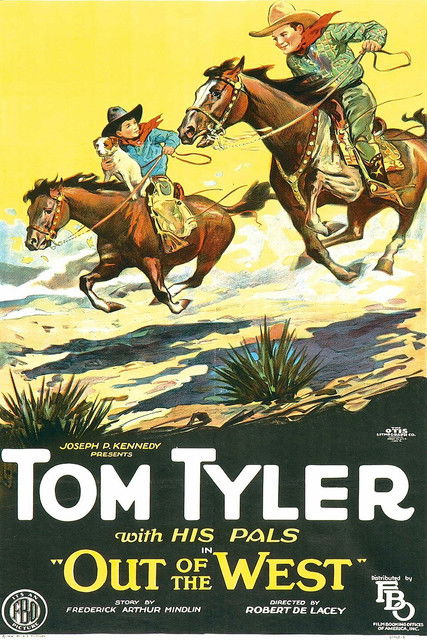
John O'Connor and Jim Rollins, rival ranchmen, each has a baseball team, though Rollins' usually wins because O'Connor's foreman and pitcher, Bide Goodrich, is paid by Rollins to throw the game. When Tom Hanley and his grandmother settle on O'Connor's ranch, the boss discovers that he is a good pitcher; and Rollins, who has bet heavily on the Fourth of July game, plots to eliminate Tom.
1927
1926
1938
1927
1929
1926
1924
1936
No reviews yet. Be the first to share your thoughts on this movie!
Use the rating form above to leave a star rating and optional review.