
Swatantrya Veer Savarkar
2024
No user ratings available yet
Representation score: 4.8 out of 10
Representation Score
Limited
2015
Director
Om Raut
Runtime
139 minutes
Average Rating
No ratings yetNew Showbiz Analysis
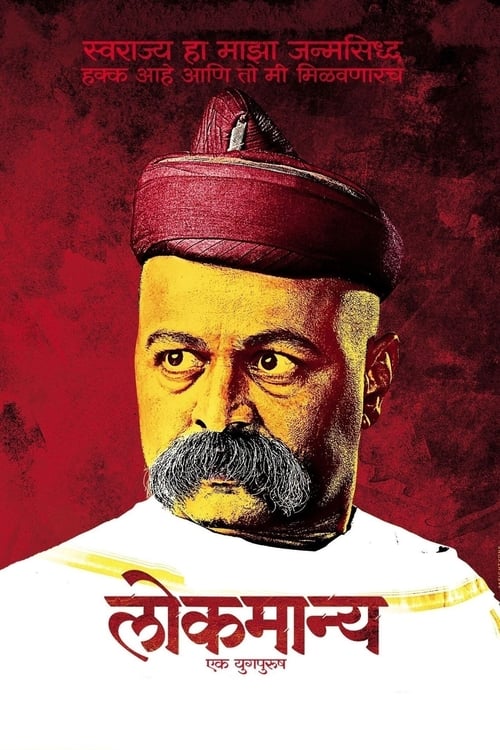
Lokmanya: Ek YugPurush is a powerful post-colonial film that challenges imperial dominance. By focusing on the life of Bal Gangadhar Tilak, the film shifts the historical perspective from Western-centric to indigenous sovereignty. The film’s strength lies in its portrayal of cultural and religious practices as effective tools for political resistance. It transforms traditional institutions into active sites of opposition against British rule. However, the film adheres to the social hierarchies of its time. It lacks engagement with contemporary multi-layered identities, especially regarding gender and LGBTQ+ representation, focusing instead on a traditional masculine struggle for self-rule.
Category Breakdown
The film focuses on nationalist political movements within a historical context. It does not include characters with non-traditional gender identities or LGBTQ+ narratives.
The story emphasizes masculine political leadership and patriarchal structures typical of the early 20th century. It reflects the male-dominated political environment of that time.
The film rejects Anglo-centric views by highlighting an Indian nationalist leader. Characters of color play significant roles in their intellectual and political struggles.
The movie uses religious festivals such as Ganesh Chaturthi as tools for political mobilization. It highlights indigenous values and challenges Western institutional dominance.
There are no prominent depictions of visible or invisible disabilities. Characters with disabilities are not central to the narrative.
Present on Screen
Limited or Absent
Official Synopsis
The film encompasses some of a lifetime span of the legend - "The Father of the Indian Unrest". Inspired by the ideologies of Bal Gangadhar Tilak, Makarand, a journalist, tries to incorporate his values in the changing political scenario in India.
2024
2017

1997
2018
2019

2013
2019
1953
No reviews yet. Be the first to share your thoughts on this movie!
Use the rating form above to leave a star rating and optional review.