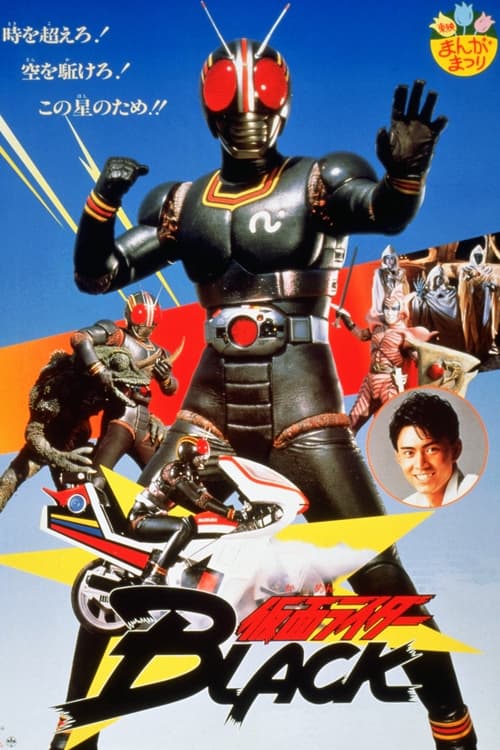
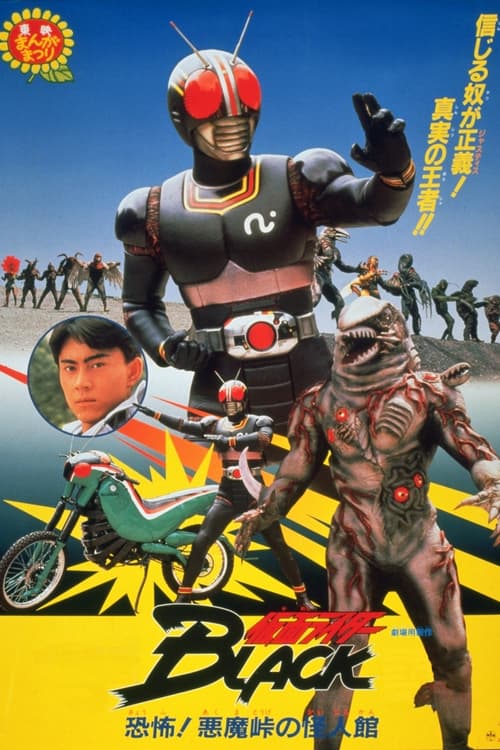
Kamen Rider Black: Hurry to Demon Island!
1988
No user ratings available yet
Representation score: 1.4 out of 10
Representation Score
Limited
1989
Director
Michio Konishi
Runtime
25 minutes
Average Rating
No ratings yetNew Showbiz Analysis
This Tokusatsu action film follows a traditional heroic arc, where the protagonist protects vulnerable populations from a biological threat. The narrative relies on established genre clichés rather than challenging social or power structures. The film adheres to the social hierarchies of its era, using archetypes like the 'mad scientist' and the 'damsel in distress' to reinforce conventional binaries of morality and gender. Ultimately, the work functions as a standard genre piece, lacking the structural complexity needed to challenge traditional expectations regarding identity, ability to act, or systemic dynamics.
Category Breakdown
The film does not include any representation of LGBTQ+ identities or same-sex relationships, sticking to traditional heterosexual norms.
Gender roles are traditional, with the female character serving mainly as a figure needing rescue, which emphasizes the male protagonist's role in driving the plot.
The film features a cast that reflects its Japanese origin, with no ethnic diversity or use of non-human characters to represent different backgrounds.
The story follows a simple good-versus-evil morality, without engaging with critiques of religious, capitalist, or Western institutions.
Disabilities and altered states are depicted through villainous lifeforms, with no nuanced portrayal of neurodivergence or physical disabilities.
Present on Screen
Limited or Absent
Official Synopsis
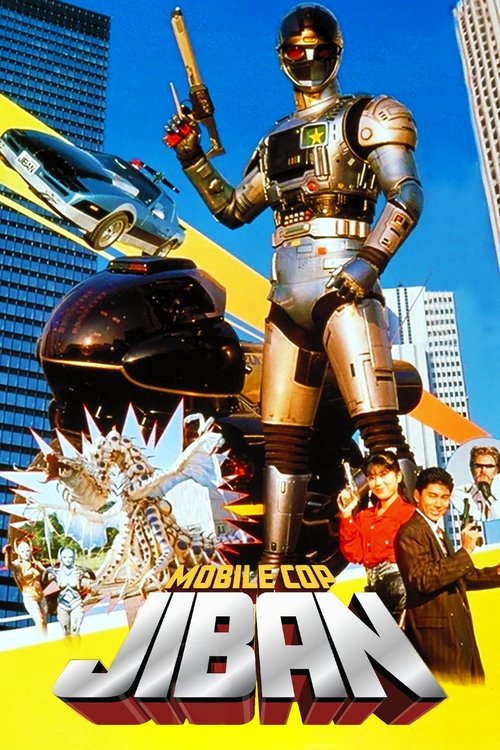
Jiban goes into action to save Yoko and several captured children from Doctor Giba's plot of creating the ultimate lifeform.
1988

1992
1949
1990
1988
2004
2003
2011
No reviews yet. Be the first to share your thoughts on this movie!
Use the rating form above to leave a star rating and optional review.