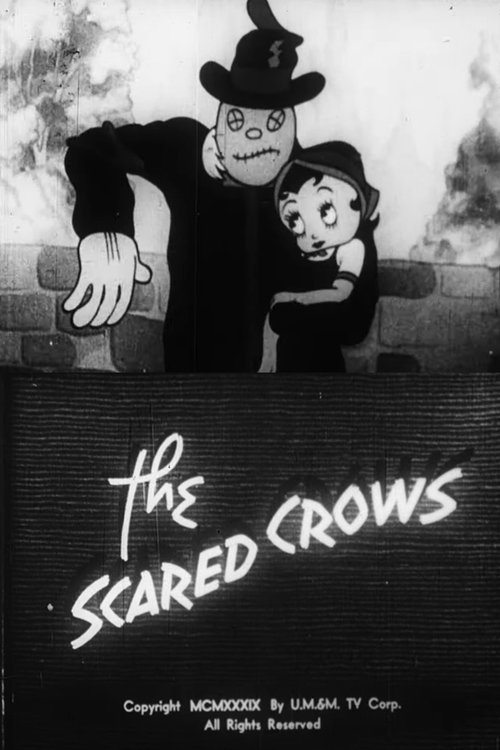
The Scared Crows
1939
No user ratings available yet
Representation score: 0.4 out of 10
Representation Score
Minimal
1936
ApprovedDirector
Dave Fleischer
Runtime
7 minutes
Average Rating
No ratings yetNew Showbiz Analysis
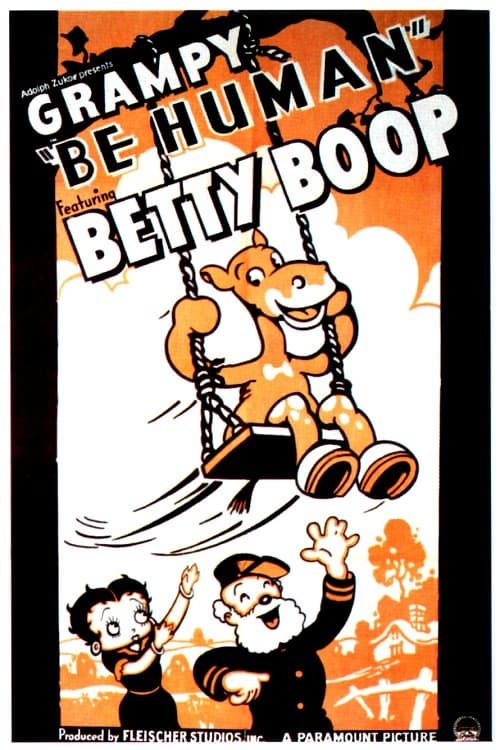
Be Human focuses on a moral conflict between animal welfare and human cruelty. The narrative uses Betty Boop as a spirited protagonist who identifies and reacts to injustice, offering a degree of women's ability to drive the story uncommon in passive historical depictions. However, the film is constrained by the production standards of 1936. It lacks verifiable representation regarding racial, LGBTQ+, or disability identities, resulting in a low cumulative score despite its thematic focus on empathy. The film's strength lies in its critique of traditional power dynamics, specifically the relationship between humans and animals, rather than in a broad spectrum of social diversity.
Category Breakdown
The film does not include any characters or narratives that explore LGBTQ+ themes or identities. There are no interactions or storylines that suggest LGBTQ+ content.
Betty Boop is the main character driving the moral conflict. She actively responds to injustice, challenging traditional female passivity and acting as a moral judge.
The film does not feature a diverse cast or indicate any non-Anglo-Saxon majority characters. There is no evidence of race-bent casting or characters with multiple layers of diversity.
The story emphasizes empathy and morality over traditional hierarchies of human dominance over nature. It presents the farmer's lack of empathy as the central conflict.
The film does not address disability. While the era's animation often exaggerated physical traits, there is no portrayal of neurodivergence or physical disabilities with significant roles.
Present on Screen
Limited or Absent
Official Synopsis
Betty Boop is incensed at her farmer neighbor's cruelty to his animals. Grampy knows how to teach him a lesson.
1939
1932
1937
1939
1935
1938
1936
1933
No reviews yet. Be the first to share your thoughts on this movie!
Use the rating form above to leave a star rating and optional review.