The Disappearing Illusionist
2015
No user ratings available yet
Representation score: 4.6 out of 10
Representation Score
Fair
2020
Director
Christian Alvart
Runtime
130 minutes
Average Rating
No ratings yetNew Showbiz Analysis
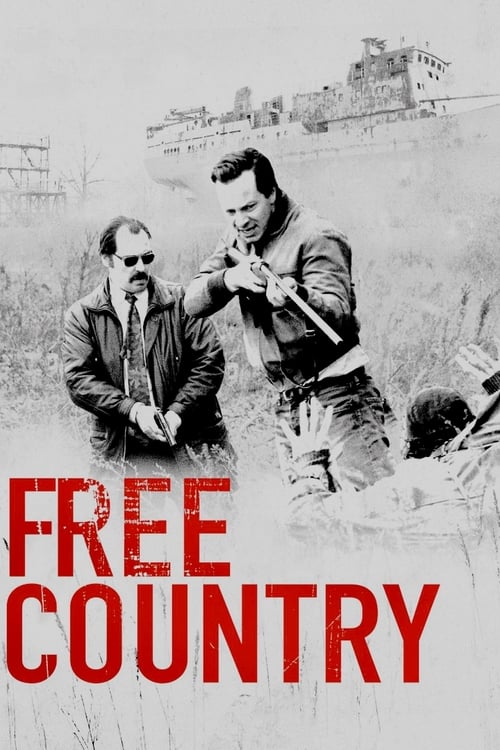
Free Country functions as a period-specific psychological thriller that emphasizes atmosphere and systemic tension over demographic diversity. It uses the post-reunification landscape of East Germany to explore fragmented identities and the collapse of old hierarchies. The film excels in its sophisticated portrayal of institutional collapse and the disorientation of a society in transition. However, it lacks diversity in its character archetypes and a homogeneous cast reflecting the specific historical era.
Category Breakdown
The story focuses on the psychological tension between two male protagonists. There is no clear representation of non-straight identities or critiques of the assumption that everyone is straight.
Female characters act as the catalyst for the story through their disappearance. However, the investigation is driven mainly by male police officers.
The cast reflects the demographic reality of East Germany in 1992. The setting is characterized by a racially homogeneous population.
The film effectively portrays the institutional instability following the collapse of the GDR. It explores a world of moral ambiguity and systemic confusion.
There are no prominent depictions of visible or invisible disabilities that serve as central character arcs or plot drivers.
Present on Screen
Limited or Absent
Official Synopsis
Former East Germany, 1992. Patrick Stein and Markus Bach, two very different police officers, are commissioned to investigate the disappearance of two female teenagers in a remote area of the country. Did they run away from home or did something more terrible happen to them?
2015

2007

2019
2010
2012

2009
2014

2014
No reviews yet. Be the first to share your thoughts on this movie!
Use the rating form above to leave a star rating and optional review.