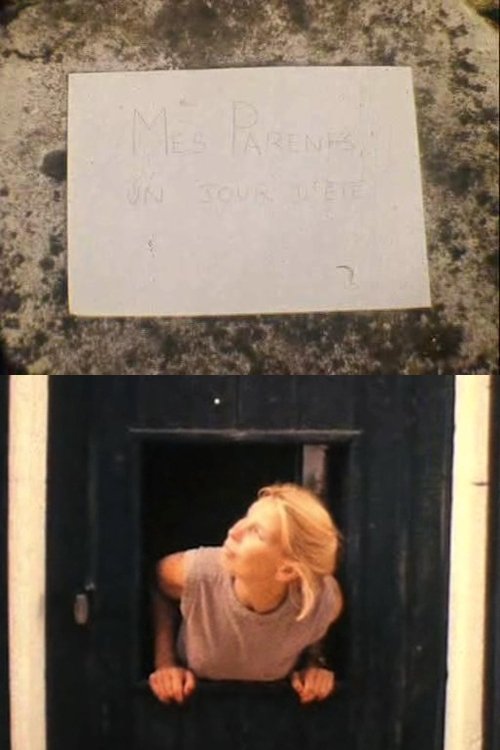
My Parents on a Summer Day
1990
No user ratings available yet
Diversity score: 6.0 out of 10

2004
Director
Frédéric Fonteyne
Runtime
103 minutes
Average Rating
No ratings yetSynopsis
Gilles' wife, Elise, who smiles when she thinks of him, cooks and scrubs and cheerfully makes love to him, suspects during her third pregnancy that he is having an affair with her coquettish younger sister, Victorine. Elise suffers, usually in silence. She listens to her husband rave; she asks her priest; she breaks picture frames; she weeps. She decides on a strategy to keep him. Will she succeed?
Overall Score
Good
Category Breakdown
LGBTQ+ Representation
The film centers on a queer protagonist navigating the legal and religious pressures of 14th-century France. It avoids caricatures, focusing instead on the emotional depth and systemic consequences of identity-based marginalization.
Gender Representation
The wife character disrupts medieval hierarchies by demonstrating significant agency and psychological complexity. She acts as a central driver of the emotional arc through her resilience and intellectual navigation of her environment.
Racial & Ethnic Diversity
Set in medieval France, the cast is predominantly white. The lack of ethnic plurality reflects the historical demographic realities of the era rather than an active subversion of casting norms.
Religious & Cultural Diversity
The narrative critiques the Catholic Church and judicial systems as instruments of systemic oppression. It prioritizes individual truth over institutional dogma, framing religious authority as a source of conflict.
Disability Representation
The film contains no significant evidence of visible or invisible disabilities being used as central plot devices or character traits.
Strengths
Areas for Improvement
AI Analysis
Frédéric Fonteyne uses a historical setting to conduct a sophisticated critique of institutional power. The film excels by centering queer identity and deconstructing patriarchal and religious hierarchies through a humanistic lens. While the film lacks racial diversity, this is a reflection of its specific medieval French setting. The strength of the work lies in its ability to frame the struggle for personal authenticity against systemic oppression. The narrative provides a profound look at how state and religious structures impact personal identity, moving beyond simple period drama into a deep exploration of social marginalization.
1990

1984

2003

2021

2021
2020

1961

1975

2007

2024

2009
2013
No reviews yet. Be the first to share your thoughts on this movie!
Use the rating form above to leave a star rating and optional review.