
Lulu
2014
No user ratings available yet
Representation score: 3.8 out of 10
Representation Score
Fair
2013
Director
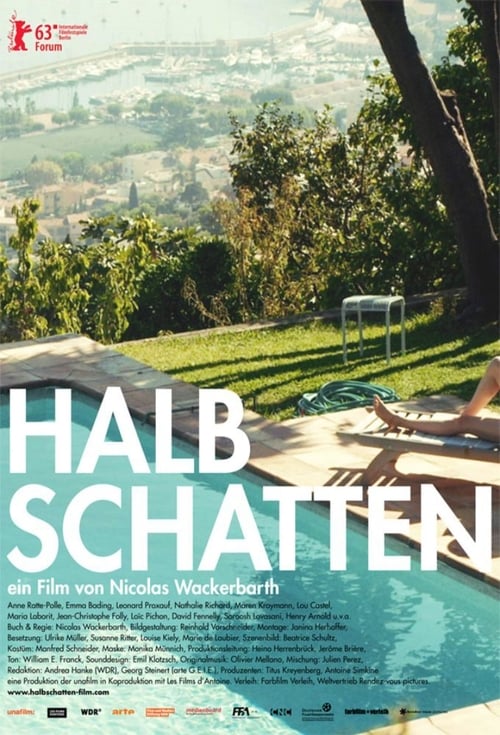
Nicolas Wackerbarth
Runtime
80 minutes
Average Rating
No ratings yetNew Showbiz Analysis
Everyday Objects (2013) is a work of psychological minimalism that prioritizes atmosphere over traditional narrative structures. It challenges typical romantic clichés by focusing on the protagonist's internal struggles rather than conventional melodrama. However, the film lacks significant diversity in racial and LGBTQ+ representation. The setting and cast appear localized to a specific European social environment, offering little variety in ethnic or identity-based perspectives. Ultimately, the film's strength lies in its refusal to offer simple moral solutions, opting instead for a nuanced exploration of human desire and the complexity of interpersonal connections.
Category Breakdown
The film touches on themes of desire and unconventional relationships. Although it focuses on a heterosexual relationship, the emphasis on unspoken desires hints at a shift from traditional assumptions about relationships.
Merle's character plays a significant role in driving the story through her internal struggles. The film shifts the focus away from traditional masculine leadership towards her personal journey.
The film seems to be set in a specific part of Europe, likely the South of France. There is no indication of a diverse or non-Anglo-Saxon majority cast.
The narrative avoids strict moral lessons and emphasizes situational ethics. It questions the idealized family unit by showing tensions within the family setting.
There is no evidence within the context to suggest the presence of characters with visible or invisible disabilities.
Present on Screen
Limited or Absent
Official Synopsis
Merle follows the invitation of her lover to spend the summer in the South of France. She is surprised to find only his children in the summer house. Did she expect more than she should have? An ambiguous summer full of silent desire.
2014
2012
2007
2022

2014

2016

2013

2015
No reviews yet. Be the first to share your thoughts on this movie!
Use the rating form above to leave a star rating and optional review.