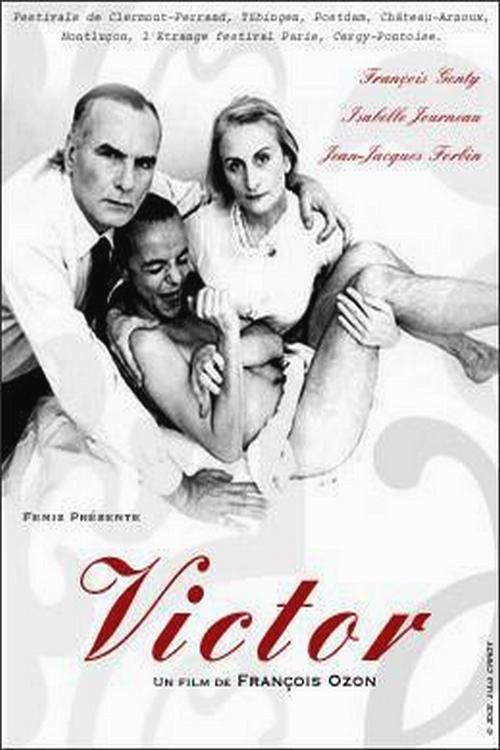
Victor
1993
No user ratings available yet
Diversity score: 4.6 out of 10

1990
Director
François Ozon
Runtime
11 minutes
Average Rating
No ratings yetSynopsis
A man and his wife are having a holiday alone in their country house. The husband takes long rides on his bike while his wife is doing groceries and preparing meals. During a hike together, the woman considering pushing her husband off a cliff.
Overall Score
Fair
Category Breakdown
LGBTQ+ Representation
The film centers on the protagonist's burgeoning queer identity. It uses the psychological complexity of adolescent discovery to drive the emotional core, disrupting conventional heteronormative expectations.
Gender Representation
The narrative examines shifting power dynamics and the breakdown of traditional parental authority. It subverts patriarchal stability by highlighting the tension and autonomy sought by the younger generation.
Racial & Ethnic Diversity
The production features a homogeneous European cast. It focuses strictly on intra-familial dynamics within a singular ethnic context, reflecting a specific middle-class French milieu.
Religious & Cultural Diversity
The story deconstructs the traditional Western family unit through moral relativism. It frames adolescent rebellion as a quest for autonomy rather than a moral crisis or mere delinquency.
Disability Representation
There are no prominent depictions of physical or neurodivergent disabilities that serve as central narrative drivers in this work.
Strengths
Areas for Improvement
AI Analysis
François Ozon’s early work excels at exploring queer subjectivity and deconstructing domestic structures. By placing adolescent queer discovery at the heart of the story, the film moves beyond mere subplot to challenge traditional coming-of-age tropes. The film also provides a sophisticated critique of the nuclear family. It replaces rigid institutional authority with a more fluid understanding of identity, viewing the dissolution of domestic norms as a natural progression of the individual. However, the film is limited by its lack of racial and ethnic breadth. The homogeneous casting restricts the narrative to a singular socio-cultural context, which prevents a more diverse exploration of identity.
1993

2009

1996

1997

2004

2007

1984

2006

1997

2013
2020

2015
No reviews yet. Be the first to share your thoughts on this movie!
Use the rating form above to leave a star rating and optional review.