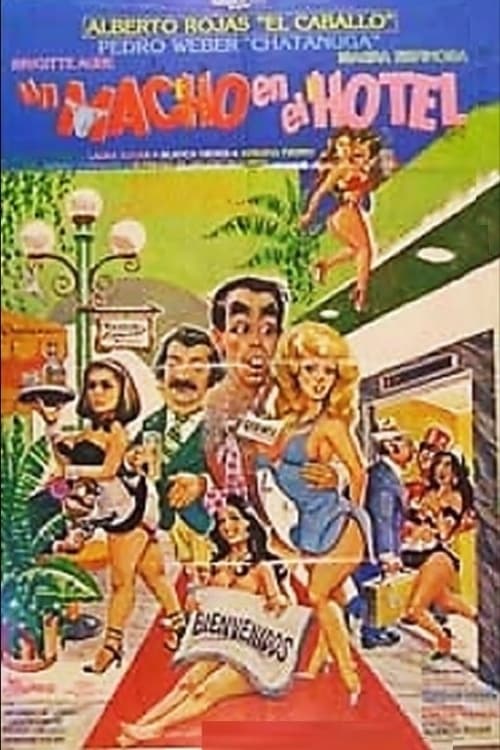
Un Macho en el Hotel
1989
No user ratings available yet
Representation score: 2.3 out of 10
Representation Score
Limited
1988
Director
Emilio G. Boretta
Average Rating
No ratings yetNew Showbiz Analysis
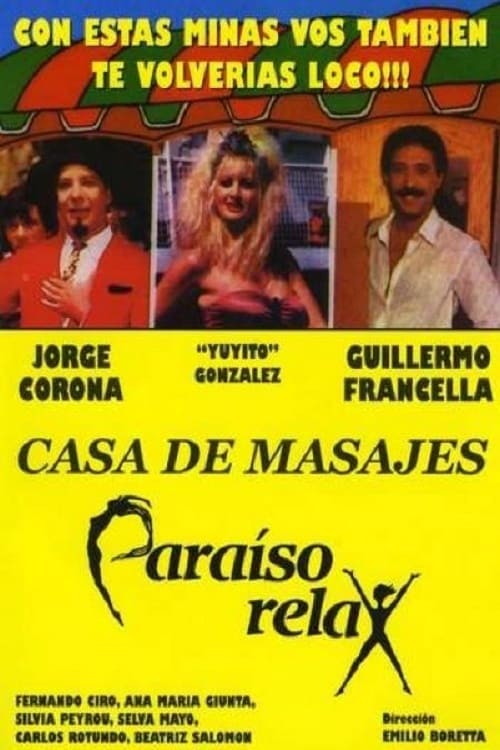
Paraíso Relax (Casa de Masajes) is a typical comedy from the late 1980s. It doesn’t have the structure needed to suggest a progressive message or the subversion of social hierarchies. The film’s inclusion levels are consistent with regional genre cinema from this period. While the cast includes several prominent women, the film does not demonstrate meaningful representation that considers multiple aspects of diversity or intentionality. Ultimately, the production adheres to established social norms rather than challenging them, resulting in a score that reflects moderate, era-appropriate inclusion without deeper progressive elements.
Category Breakdown
The film does not show any clear examples of LGBTQ+ identities or same-sex relationships. The massage parlor setting might suggest diverse interactions, but the story follows typical heterosexual storylines common in 1980s comedies.
Several women are part of the cast. However, it’s unclear if these women have significant roles in driving the story or if they are limited to traditional, supporting roles within the comedy.
As an Argentine production, the cast likely reflects the local population. There is no evidence of intentional representation that considers multiple aspects of diversity or efforts to break away from traditional casting norms.
The film follows standard comedic conventions of its time. It does not challenge Western institutions or provide critical views of social structures.
There is no information available about the depiction of characters with physical, sensory, or neurodivergent conditions in this work.
Present on Screen
Limited or Absent
1989
1989
1980
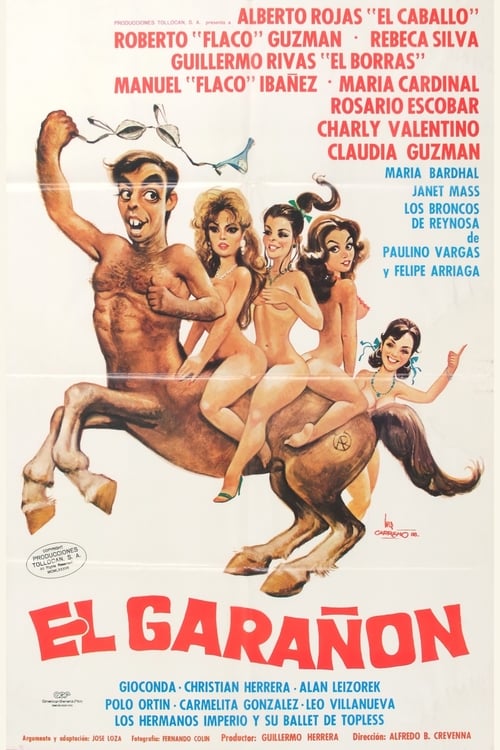
1989
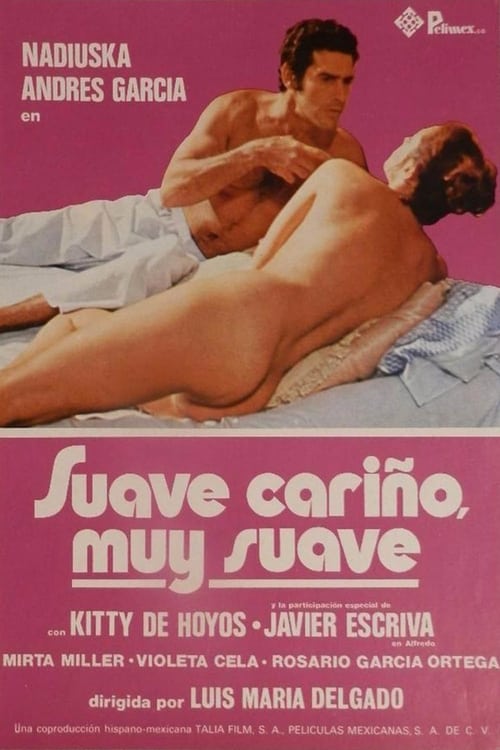
1978
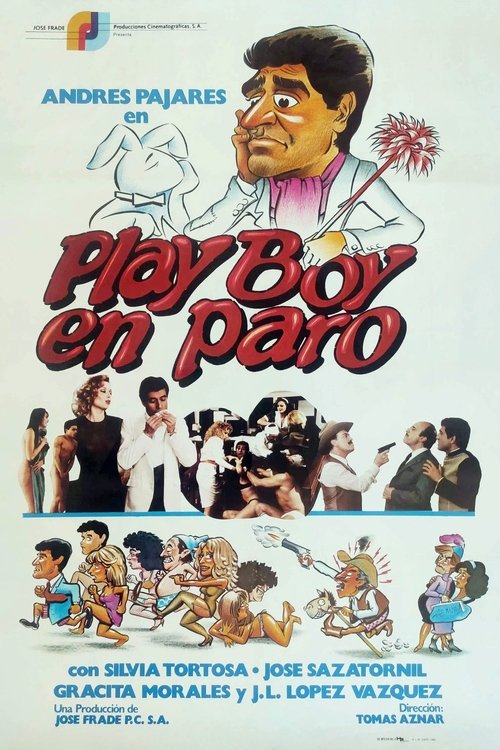
1984
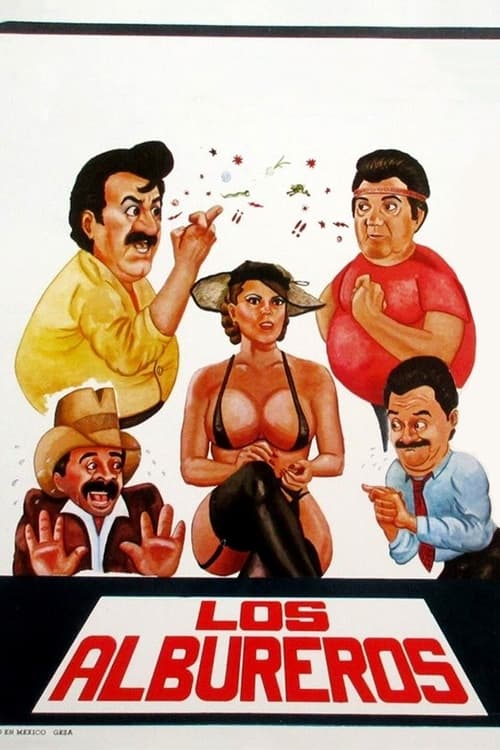
1988
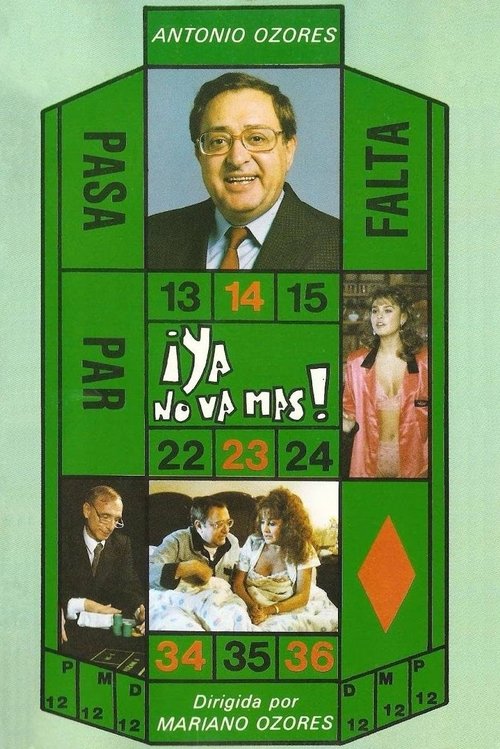
1988
No reviews yet. Be the first to share your thoughts on this movie!
Use the rating form above to leave a star rating and optional review.