Elemento
2016
No user ratings available yet
Diversity score: 3.9 out of 10
2012
TV-14Director
Richard Somes
Runtime
101 minutes
Average Rating
No ratings yetSynopsis
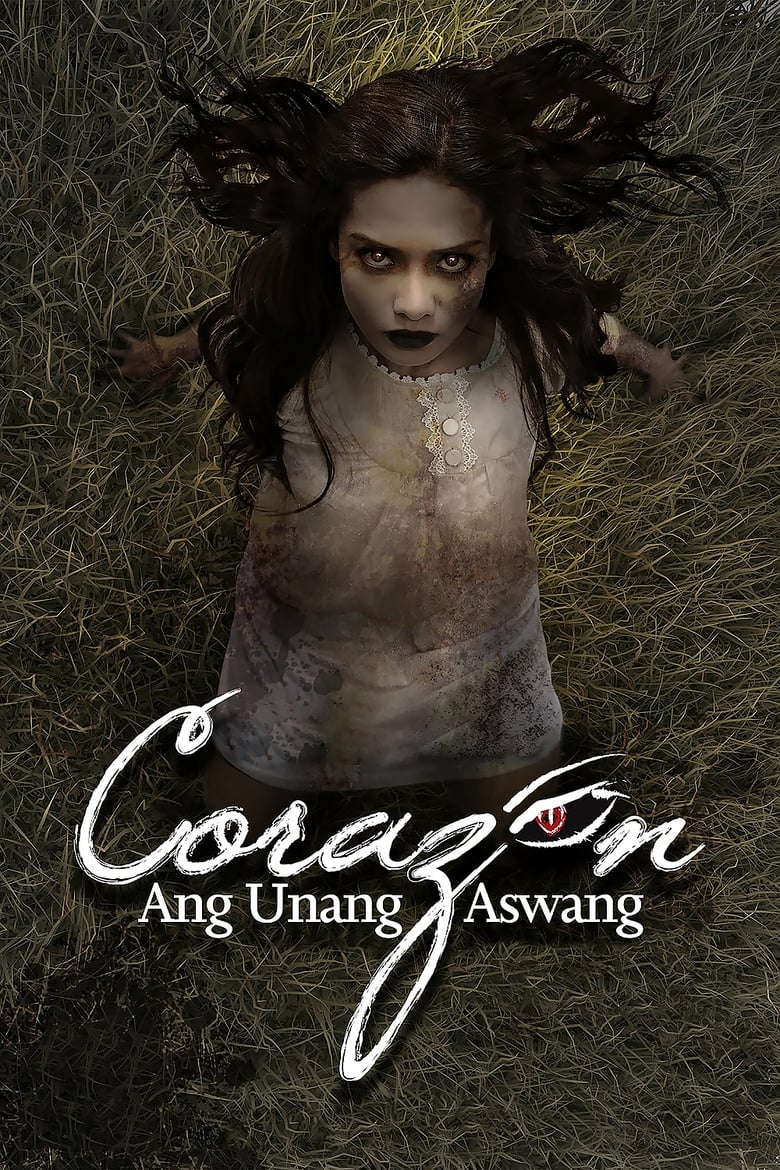
Corazon revolves around the love story of a married couple during the times of Japanese rule in the Philippines who's having a hard time conceiving a child. After joining traditional fertility rites in honor of certain patron saints, their prayers are eventually answered but unexpected circumstances will lead to their baby's death. At which point the conflict of the story will begin
Overall Score
Good
Category Breakdown
LGBTQ+ Representation
The film focuses on a traditional marital bond and the biological struggle of conception. It operates within a conventional heteronormative framework centered on the nuclear family unit.
Gender Representation
The narrative provides meaningful representation of female agency through the maternal experience. It serves as a character-driven study of female-centric trauma and the emotional weight of motherhood.
Racial & Ethnic Diversity
The production excels in authentic cultural specificity by utilizing a predominantly Filipino cast. It centers the narrative on indigenous folklore, presenting a non-Anglo-Saxon worldview.
Religious & Cultural Diversity
The film prioritizes local superstitions and traditional fertility rites over Western religious tropes. It explores a community driven by fear and the subjective morality of local belief systems.
Disability Representation
There is no documented evidence regarding the portrayal of physical or neurodivergent disabilities within the narrative.
Strengths
Areas for Improvement
AI Analysis
Corazon: Ang Unang Aswang is a culturally significant work that prioritizes regional identity and indigenous storytelling. By centering the narrative on Philippine mythology and the aswang, the film rejects Western narrative norms in favor of a localized, ethnic-centric perspective. The film's strength lies in its exploration of the 'other' through a post-colonial lens, specifically regarding the intersection of local belief systems and the historical Japanese occupation. It uses folk horror to examine the tension between traditional spiritual practices and communal paranoia. While the film lacks engagement with contemporary identity politics or queer theory, its commitment to authentic Filipino folklore elevates its value. It remains a focused study of maternal desire and the tragic intersection of superstition and grief.
2016
2019
2015
2019
2014
1990
1976
2015
1983
2015
1998
2009
No reviews yet. Be the first to share your thoughts on this movie!
Use the rating form above to leave a star rating and optional review.