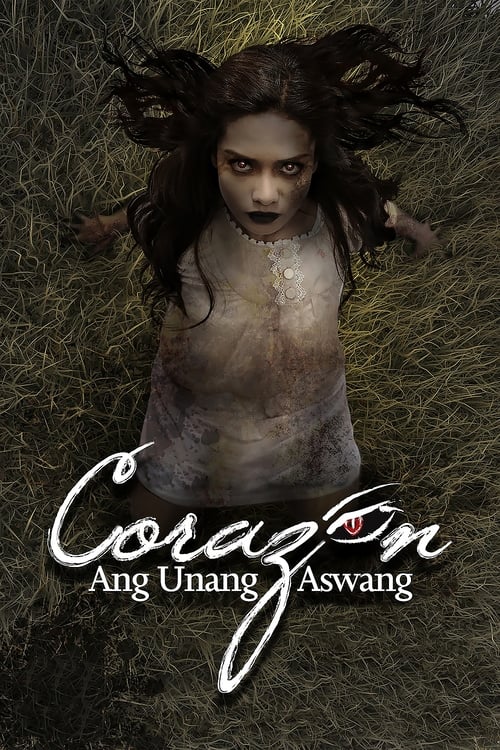
Corazon: Ang Unang Aswang
2012
No user ratings available yet
Representation score: 3.9 out of 10

Representation Score
Good
2015
PG-13Director
Roi Vinzon
Runtime
97 minutes
Average Rating
No ratings yetNew Showbiz Analysis
Maria Labo is a genre-driven horror drama that draws heavily from localized Filipino mythology. Its main strength lies in its cultural specificity, moving away from Western storytelling clichés by using the aswang legend. While the film offers a strong sense of regional identity, it lacks depth in exploring broader social issues. The narrative focuses on mythic terror and the breakdown of the traditional family sphere rather than addressing systemic critiques. Ultimately, the film serves as a culturally grounded piece of horror that prioritizes folklore over diverse social representation.
Category Breakdown
The film does not include any characters who identify as LGBTQ+ or have non-traditional gender identities. It focuses on a traditional family structure found in folklore.
The story centers around a female protagonist who challenges the typical nurturing mother role. She plays a significant role in driving the story but is also tied to a monstrous transformation.
The production excels in showcasing Visayan and Mindanaoan folklore, providing a high degree of cultural authenticity. It uses regional myths effectively to create a unique narrative framework.
The film explores morality by presenting a character through a folkloric perspective. It challenges traditional family ideals by breaking down the traditional family unit.
There is no representation of neurodivergent or physically disabled characters. Psychological instability is used as a standard horror plot device.
Present on Screen
Limited or Absent
Official Synopsis
A popular urban legend about a woman "aswang" who cooked and ate her two children. The legend is popular in the Visayas and in Mindanao
2012

2020
1998

2017

2019

2019
2016

2022
No reviews yet. Be the first to share your thoughts on this movie!
Use the rating form above to leave a star rating and optional review.