
Elling
2001
No user ratings available yet
Representation score: 5.8 out of 10
Representation Score
Good
1993
Director
Erik Clausen
Runtime
97 minutes
Average Rating
No ratings yetNew Showbiz Analysis
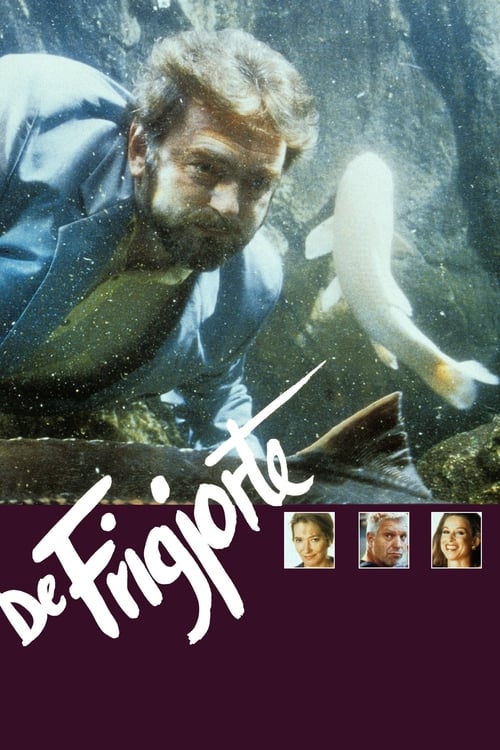
Fish Out of Water is a social-realist character study that excels in deconstructing traditional masculinity and criticizing economic systems. By focusing on a machinist's decline after losing his job, the film moves beyond simple humor to explore the psychological impact of systemic failures. However, the film's scope is limited by its narrow demographic focus. The cast lacks racial diversity, and the romantic storylines follow traditional heterosexual norms, missing opportunities for broader social representation. Ultimately, the film succeeds in critiquing the stable provider archetype, using mental health struggles to drive a meaningful narrative of personal transformation.
Category Breakdown
The film focuses on traditional heterosexual relationships, highlighting marital tension and infidelity. It does not significantly represent non-straight or non-cisgender identities or challenge conventional romantic ideas.
Viggo challenges typical masculine roles by showing a man dealing with emotional issues and professional setbacks. While his instability questions the provider stereotype, Oda maintains a more traditional supportive role.
The cast is predominantly homogeneous, reflecting a specific socioeconomic setting in 1990s Denmark. There is no notable racial diversity among the main characters.
The narrative effectively critiques the instability of capitalism and the loss of job security. It uses a social-realist approach to highlight the conflict between individuals and systemic economic pressures.
Viggo’s stay in a psychiatric ward offers a nuanced look at mental health. The film uses his psychological crisis to promote character introspection without resorting to mockery.
Present on Screen
Limited or Absent
Official Synopsis
The early 1990s: 300,000 Danes are out of work. Viggo, a machinist with two grown children, is silent about feelings, scared he'll lose his job, loud about the value of trade unionism, interested in his pet fish, and argumentative at dinner. His wife Oda puts up with his moods and works on family genealogy. When Viggo is laid off, he becomes a fish out of water, hardly looking for work, starting a garden, and taking up with Karen, a polished but unhappy widow. He lies to his wife about a union training and goes to Mallorca with Karen. When she stops the affair, Viggo ends up in a psychiatric ward and must figure out what's really important in his life and in his character
2001

1996

2007

1983

2007

1989

1995

1994
No reviews yet. Be the first to share your thoughts on this movie!
Use the rating form above to leave a star rating and optional review.