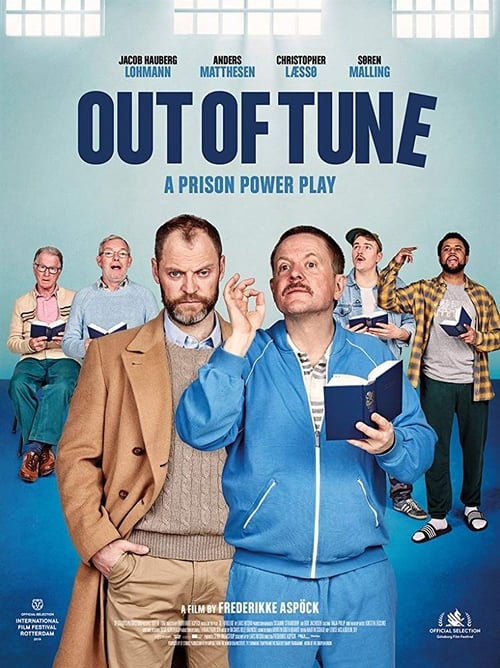
Out of Tune
2019
No user ratings available yet
Representation score: 6.5 out of 10
Representation Score
Good
1999
Director
Daniel Lind Lagerlöf
Runtime
105 minutes
Average Rating
No ratings yetNew Showbiz Analysis
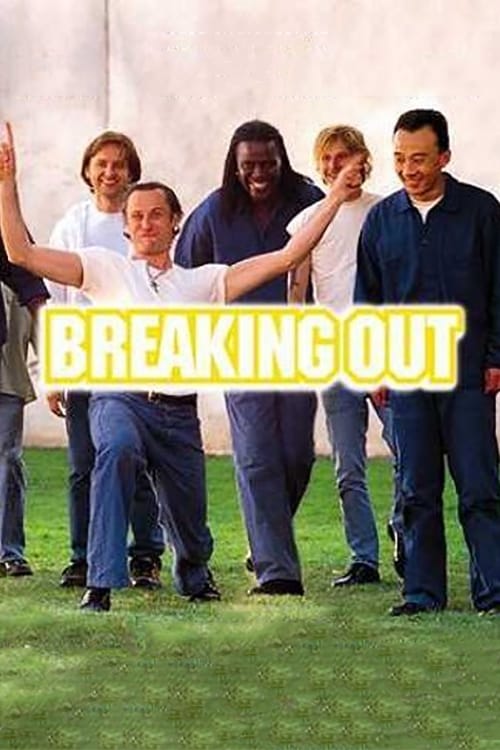
Breaking Out is a character study focused on the friction between individuals and social institutions. It uses dark comedy to explore how art can subvert systemic authority within a prison setting. The film lacks multi-layered complexity, particularly regarding LGBTQ+ identities and racial diversity. The setting remains largely homogeneous, reflecting the social realism typical of late-90s Scandinavian cinema. Despite these gaps, the film succeeds in deconstructing traditional masculine roles. By placing an artistic pursuit at the heart of a rigid correctional facility, it highlights the subversive power of individual ability to act.
Category Breakdown
The film does not explicitly depict LGBTQ+ identities or dynamics that go beyond the assumption that everyone is straight. The narrative focuses on the interpersonal tension between the social worker and the inmates.
The story centers on a male-dominated prison environment. However, Reine’s role as a social worker introduces emotional labor that challenges traditional masculine archetypes within the setting.
Set within a localized Swedish framework, the film features a predominantly homogeneous cast. While performers like Shanti Roney are present, there is little evidence of significant racial blending.
The film critiques Western institutional stability by using theater as a tool for subversion. It frames the state's correctional system as a stage for individual ability to act rather than rehabilitation.
There is no specific evidence regarding the portrayal of physical disabilities or neurodivergent perspectives. Characters are defined by their social status and psychological engagement with the play.
Present on Screen
Limited or Absent
Official Synopsis
The enthusiastic Reine is forced to take a job as a social worker at Kumla prison.
2019

2020

2003
1988

2007
2007
2017

2012
No reviews yet. Be the first to share your thoughts on this movie!
Use the rating form above to leave a star rating and optional review.