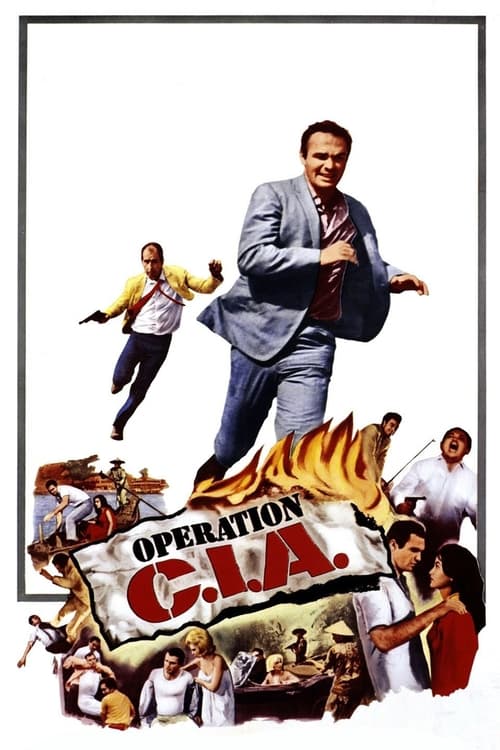
Operation C.I.A.
1965
No user ratings available yet
Representation score: 1.1 out of 10
No Poster Available
Representation Score
Minimal
1960
UDirector
Michael Winner
Average Rating
No ratings yetNew Showbiz Analysis
Shoot to Kill is a conventional crime drama that reflects the norms of its era. The narrative structure reinforces traditional social hierarchies, focusing on male-dominated professional spheres and a homogeneous demographic profile. The film adheres to established conventions of the British crime drama. It lacks any effort to disrupt conventional clichés or provide meaningful representation of multiple identities. Ultimately, the work upholds the demographic and social status quo of 1960s London rather than challenging it.
Category Breakdown
The film does not include any LGBTQ+ characters. It operates within a traditional mid-century framework that does not address queer identities.
The story focuses primarily on male interactions, such as those between law enforcement and criminals. Female characters are given limited roles without the ability to drive the plot.
The casting features a predominantly white British ensemble typical of the time. There is no significant non-white representation or use of diverse casting to challenge historical norms.
The story functions within a standard law-and-order framework. It emphasizes traditional institutional stability by presenting criminal activity through a police procedural lens.
There is no visible or invisible representation of disability. Characters are shown through a lens of physical capability consistent with the crime genre.
Present on Screen
Limited or Absent
Official Synopsis
A showbiz reporter gets involved with political intrigue.
1965

1963

1960

1967
1970
1992

1958
1961
No reviews yet. Be the first to share your thoughts on this movie!
Use the rating form above to leave a star rating and optional review.