Pickpocket
1997
No user ratings available yet
Representation score: 6.1 out of 10
Representation Score
Limited
1995
Director
Jia Zhangke
Runtime
59 minutes
Average Rating
No ratings yetNew Showbiz Analysis
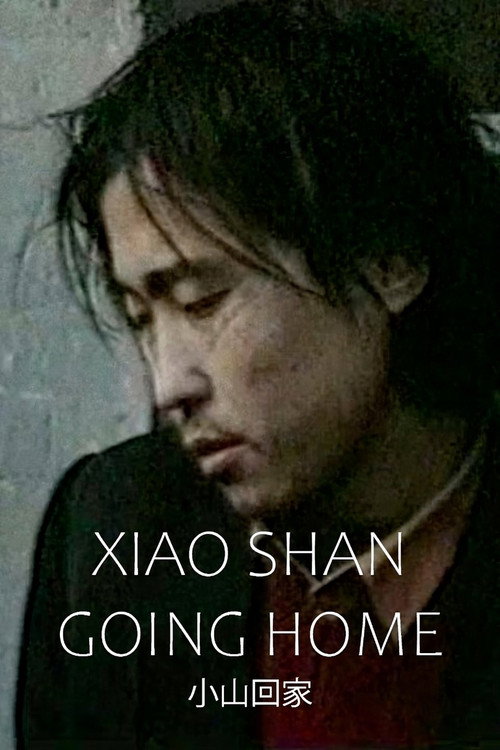
Jia Zhangke’s work prioritizes the lived experiences of those affected by economic shifts. The film succeeds as a piece of social realism by deconstructing the traditional success story in favor of a gritty, unvarnished look at socioeconomic displacement. While the film lacks engagement with contemporary identity politics like LGBTQ+ or disability representation, it provides a profound look at the fragmentation of identity. It captures a specific moment of systemic transition through a localized, authentic lens.
Category Breakdown
The film focuses on the isolation of a young man in a transitional environment. There are no depictions of non-straight relationships or gender identities.
Gender roles reflect the social norms of the time. Women appear within the social fabric but do not have significant roles or challenge traditional hierarchies.
The film excels in authentic, localized representation. It disrupts metropolitan norms by focusing on provincial demographics and using non-professional actors.
The narrative critiques rapid capitalist expansion and the erosion of community. It highlights the psychological toll and disorientation caused by economic modernization.
There are no significant depictions of visible or invisible disabilities within the narrative.
Present on Screen
Limited or Absent
Official Synopsis
Xiao Shan, a temporary worker at the Hongyuan Restaurant, has just been fired by his boss Zhao Guoqing. Deciding to leave Beijing and returns to his home in Anyang, he goes to see a series of people from his hometown who have also been living in Beijing-construction workers, train ticket scalpers, university students, attendant, prostitutes-but no one wants to go back with him. Dispirited and confused, he searches out one after another of his old friends who are still in Beijing. Finally he leaves his wild long hair, the symbol of his life in the city, at a roadside barber stand as his offering to Beijing.
1997
1985
2011
2004

2001
1983
2003
2002
No reviews yet. Be the first to share your thoughts on this movie!
Use the rating form above to leave a star rating and optional review.