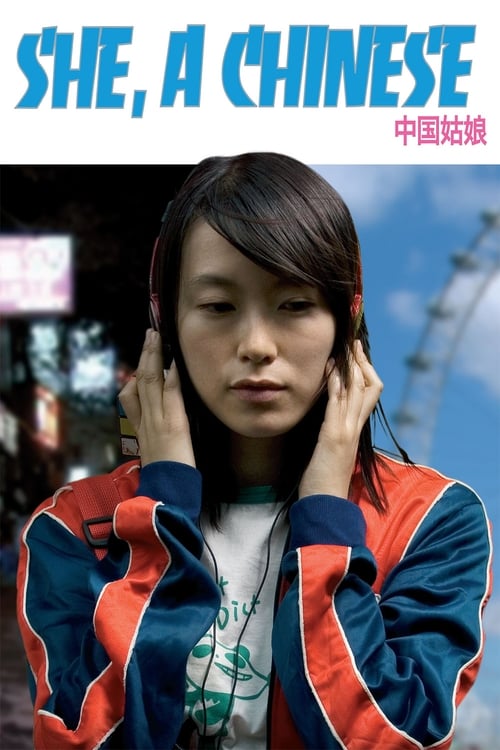
She, a Chinese
2009
No user ratings available yet
Representation score: 6.6 out of 10
Representation Score
Good
2011
Director
Teng Yung-Shing
Runtime
85 minutes
Average Rating
No ratings yetNew Showbiz Analysis
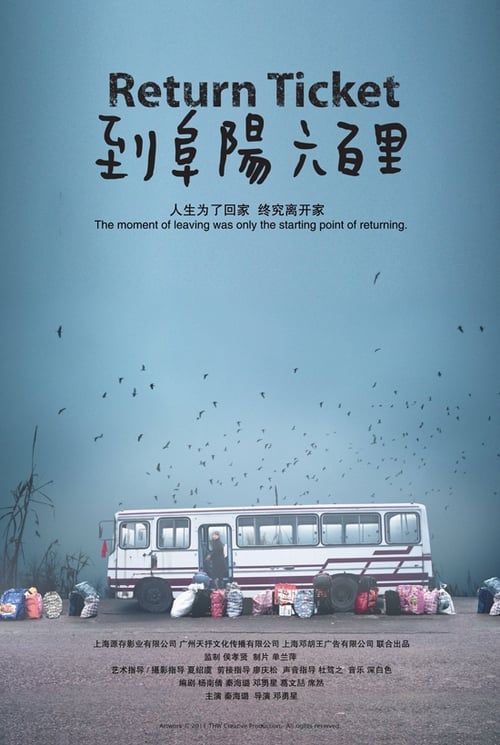
Return Ticket is a character-driven drama that examines the socioeconomic realities of internal migration in China. Following Cao Li's journey from Fuyang to Shanghai, the film highlights the complexities of urban industrialization and its impact on individuals. The film effectively uses the migrant experience to explore social dynamics and tensions between rural origins and metropolitan allure. However, it lacks specific engagement with LGBTQ+ identities or disability representation, focusing primarily on economic displacement.
Category Breakdown
The film focuses on geographic and socioeconomic displacement rather than romantic relationships based on sexual orientation. There is no clear indication of the protagonist's sexual orientation or non-straight relationships.
The story centers around a female protagonist who navigates the economic structures of urban life. She plays a significant role in driving the narrative, having substantial control over her journey in the city.
The film explores the internal migration patterns within China, highlighting the diverse experiences of the working class moving from rural areas to cities. This challenges the idea of a homogeneous national identity.
The story critiques the promises of modern capitalism and rapid urbanization. The city's neon lights are shown as a blinding force that obscures the protagonist's original dreams and leads to social fragmentation.
There is no indication that disability or neurodivergence plays a central role in the character arcs or plot mechanics.
Present on Screen
Limited or Absent
Official Synopsis
All the way, Cao Li has come alone. From Fuyang to Shenzhen. From Shenzhen to Shanghai. From Shanghai to home? Leaving hometown is her choice, the choice out of no choice. Returning home is her dream, the dream getting blinded by the neon lights in the city.--
2009
1985
2010
1997
1995
2021

2006
2004
No reviews yet. Be the first to share your thoughts on this movie!
Use the rating form above to leave a star rating and optional review.