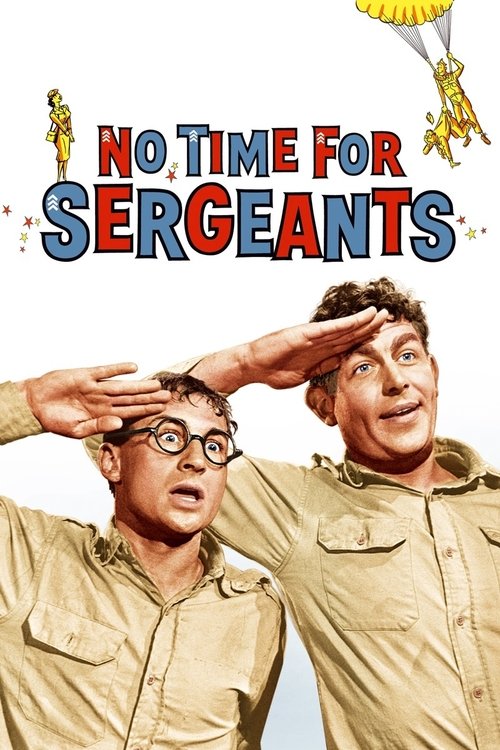
No Time for Sergeants
1958
No user ratings available yet
Representation score: 1.1 out of 10

Representation Score
Limited
1960
ApprovedDirector
Mervyn LeRoy
Runtime
126 minutes
Average Rating
No ratings yetNew Showbiz Analysis
Mervyn LeRoy’s comedy is a typical product of the mid-century studio system, emphasizing slapstick humor and conventional social hierarchies. While it offers a light-hearted critique of military bureaucracy and institutional incompetence, this critique stays within the boundaries of traditional comedy rather than challenging systemic power. The film relies on well-known clichés, such as the 'fish out of water' narrative, to drive its plot. This approach favors individual mishaps over any meaningful exploration of diverse identities or multi-layered representation. Ultimately, the work serves as a period-specific entertainment that reinforces the era's prevailing norms regarding gender, race, and social structure.
Category Breakdown
The film centers on heterosexual relationships, particularly the protagonist's marriage. It does not include characters with non-binary or transgender identities, nor does it explore narratives that challenge traditional gender norms.
Female characters, such as the protagonist's wife, mainly serve as motivators within the home. The narrative focuses heavily on the male experience of military service and male camaraderie.
The Pacific island setting introduces characters like Ume Tanaka, who represent non-Western backgrounds. However, these roles often emphasize 'otherness' rather than providing actively leading, multi-layered representation.
The story critiques military bureaucracy but avoids radical secularist or anti-Western themes. Social dynamics remain rooted in the cultural norms of the 1960s.
No characters with visible or invisible disabilities are shown taking an active role. The protagonist's history as a prisoner of war serves as a legal plot device rather than a disability study.
Present on Screen
Limited or Absent
Official Synopsis
The war may be over, but that doesn't keep the hapless Gus Brubaker from being drafted and posted on a forgotten little Japanese Island...and that's just the beginning of this wacky Air Force adventure!
1958

1959

1959

1944
1965

1973
1961
1959
No reviews yet. Be the first to share your thoughts on this movie!
Use the rating form above to leave a star rating and optional review.