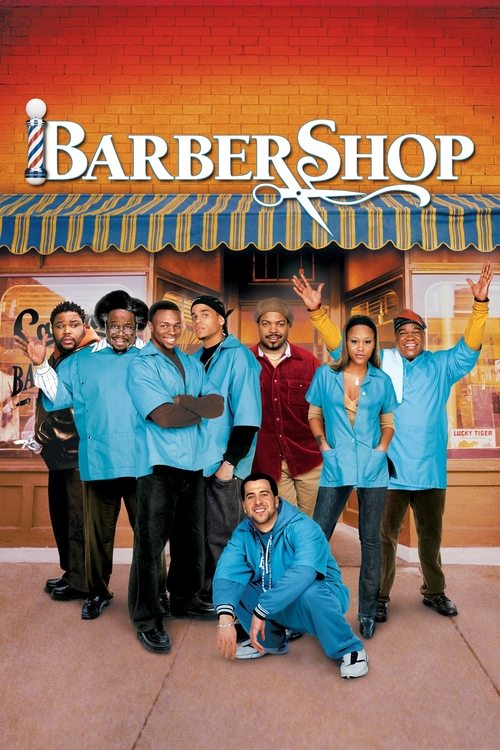
Barbershop
2002
No user ratings available yet
Representation score: 5.1 out of 10

Representation Score
Excellent
2004
PG-13Director
Kevin Rodney Sullivan
Runtime
106 minutes
Average Rating
No ratings yetNew Showbiz Analysis
Barbershop 2: Back in Business is a character-driven comedy that emphasizes the importance of Black ability to act and community identity. By focusing on the barbershop as a cultural hub, the film resists the erasure of minority-owned spaces in the face of urban development. While the film excels in racial and cultural representation, it remains limited in other areas. The narrative follows conventional mid-2000s structures, offering little depth regarding LGBTQ+ identities or disability representation. Ultimately, the film serves as a meaningful exploration of socioeconomic struggles, pitting localized, community-centric values against the disruptive forces of corporate gentrification.
Category Breakdown
The film focuses primarily on heterosexual relationships and does not feature prominent LGBTQ+ characters or storylines centered around queer identities.
Gina stands out as a strong female lead who challenges traditional male-dominated business models through her entrepreneurial spirit. The film passes the Bechdel test, showcasing conversations between women that are independent of men.
The film centers a predominantly Black cast and highlights the importance of cultural spaces such as the barbershop. Characters of color play key roles in driving the plot and maintaining cultural identity.
The story critiques the impact of capitalist expansion and gentrification on local communities. It portrays the struggle of small businesses against large, corporate chains.
The film does not significantly address visible or invisible disabilities. Characters are primarily defined by their professional roles and socioeconomic status rather than physical or neurodivergent traits.
Present on Screen
Limited or Absent
Official Synopsis
The continuing adventures of the barbers at Calvin's Barbershop. Gina, a stylist at the beauty shop next door, is now trying to cut in on his business. Calvin is again struggling to keep his father's shop and traditions alive--this time against urban developers looking to replace mom & pop establishments with name-brand chains. The world changes, but some things never go out of style--from current events and politics to relationships and love, you can still say anything you want at the barbershop.
2002
2018
2016
1997
2001

1996
2018
1999
No reviews yet. Be the first to share your thoughts on this movie!
Use the rating form above to leave a star rating and optional review.