
Freak Show
2018
No user ratings available yet
Representation score: 7.6 out of 10
Representation Score
Good
1999
RDirector
Alexander Payne
Runtime
103 minutes
Average Rating
No ratings yetNew Showbiz Analysis
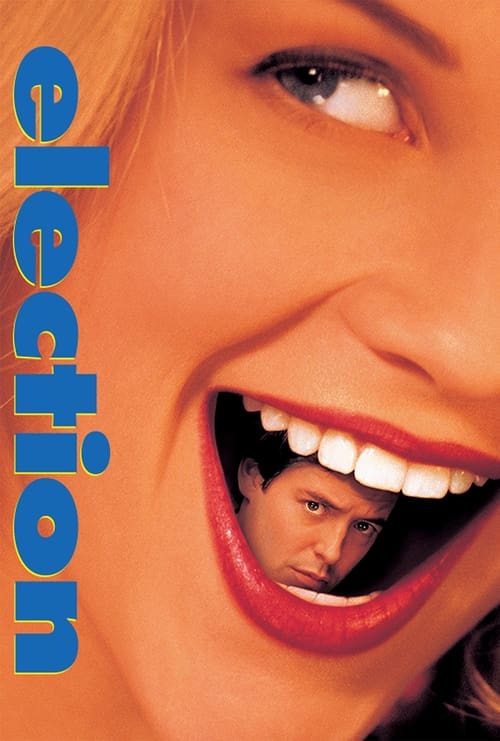
Election is a sophisticated critique of power and social hierarchies. By focusing on a polarizing, ambitious female protagonist, it avoids the trap of making women characters merely likable or submissive. This subversion of gendered expectations is the film's strongest progressive element. However, the film's demographic focus is narrow, featuring a predominantly white cast with limited racial or ethnic diversity. There is also a lack of meaningful LGBTQ+ representation. These limitations keep the critique confined to a specific social stratum. Ultimately, the film's strength lies in its cultural critique. It uses satire to expose the corruption inherent in the pursuit of status and the fragility of institutional norms, providing a cynical yet insightful look at the American Dream.
Category Breakdown
The film does not significantly explore non-binary or LGBTQ+ identities. The focus remains on heterosexual relationships and traditional gender roles.
The film features a strong female lead, Tracy Flick, who challenges traditional gender roles. Her ambition and complexity defy typical feminine stereotypes.
The cast is primarily composed of white actors, depicting a homogeneous social environment. The film emphasizes class divisions without showcasing diverse ethnic backgrounds.
The film satirizes the concept of meritocracy and institutional stability in Western society. Authority figures are portrayed as morally compromised, questioning traditional values.
The film does not focus on visible or invisible disabilities. Psychological traits are explored as part of character development without addressing neurodiversity explicitly.
Present on Screen
Limited or Absent
Official Synopsis
A high school teacher meets his match in an over-achieving student politician.
2018
2011
1985

2002

2008

1994

2008

2007
No reviews yet. Be the first to share your thoughts on this movie!
Use the rating form above to leave a star rating and optional review.