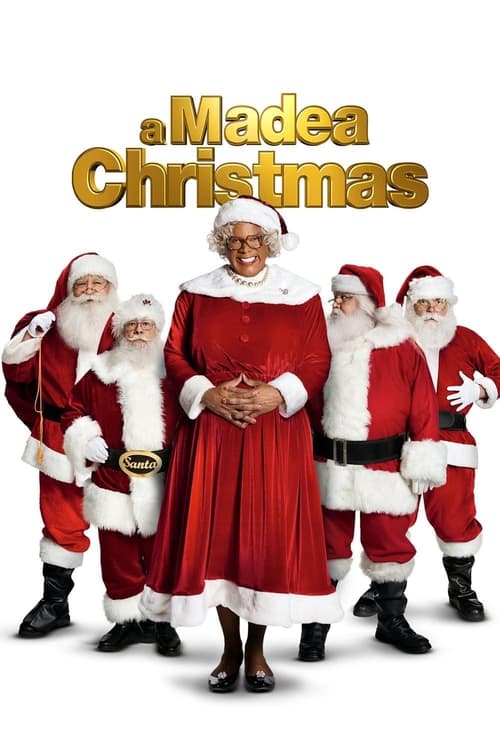
A Madea Christmas
2013
No user ratings available yet
Representation score: 4.1 out of 10
Representation Score
Good
2011
PG-13Director
Tyler Perry
Runtime
106 minutes
Average Rating
No ratings yetNew Showbiz Analysis
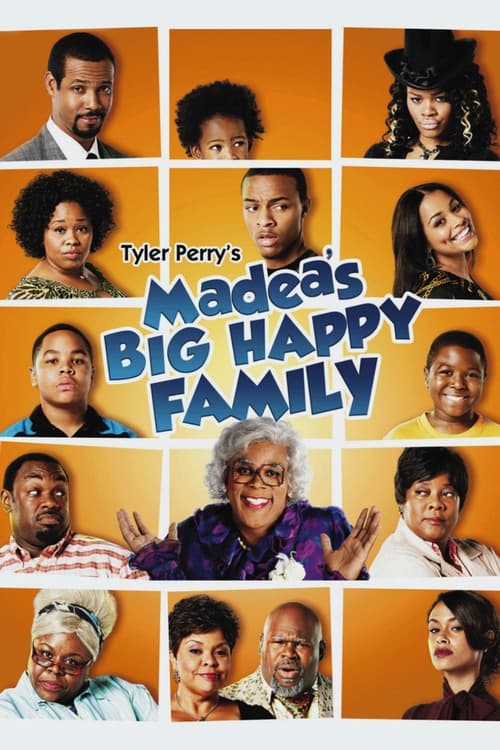
Madea's Big Happy Family excels at centering Black American life, providing a robust and specific exploration of domesticity. The film effectively places authority and ability to act in the hands of matriarchal figures, subverting patriarchal norms. However, its reliance on traditional religious and social structures limits its breadth of representation. The film lacks LGBTQ+ and neurodivergent perspectives, resulting in a narrower cultural scope.
Category Breakdown
The film focuses on biological lineage and traditional family structures, lacking any LGBTQ+ characters or storylines.
Matriarchal figures like Madea and Aunt Bam drive the plot and provide the moral scaffolding of the family, often surpassing the more unstable male characters.
The film features an exclusively Black cast, offering a focused look at Black American life with cultural vernacular and socioeconomic nuances.
Christianity and the church serve as the primary moral compass for the characters, reinforcing traditional social orders and religious ideals of forgiveness and redemption.
Health crises are used as narrative devices to drive family reunification. However, the film lacks deep exploration of neurodivergence or lived disability experiences.
Present on Screen
Limited or Absent
Official Synopsis
When Shirley, Madea's niece, receives distressing news about her health, the only thing she wants is her family gathered around her. However, Shirley's three adult children are too preoccupied with their own troubled lives to pay attention to their mother. It is up to Madea, with the help of rowdy Aunt Bam, to bring the clan together and help Shirley deal with her crisis.
2013

2003
2009

2009

2014
2007
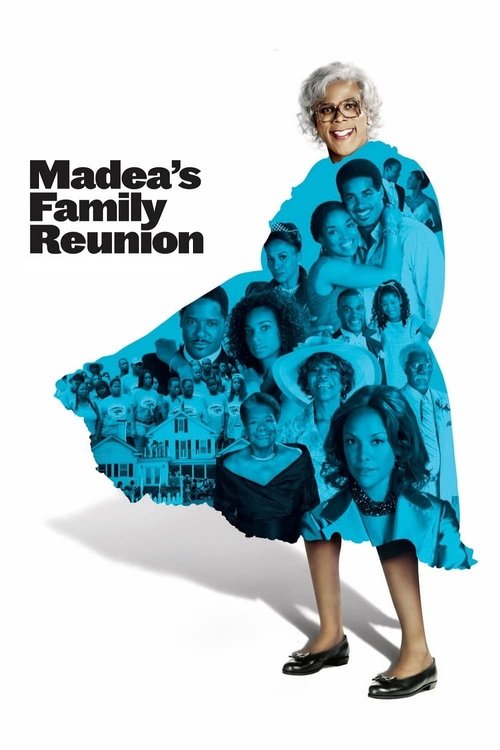
2006

2004
No reviews yet. Be the first to share your thoughts on this movie!
Use the rating form above to leave a star rating and optional review.