Blood on the Moon
1948
No user ratings available yet
Diversity score: 2.9 out of 10
1949
NRDirector
Edwin L. Marin
Runtime
94 minutes
Average Rating
No ratings yetSynopsis
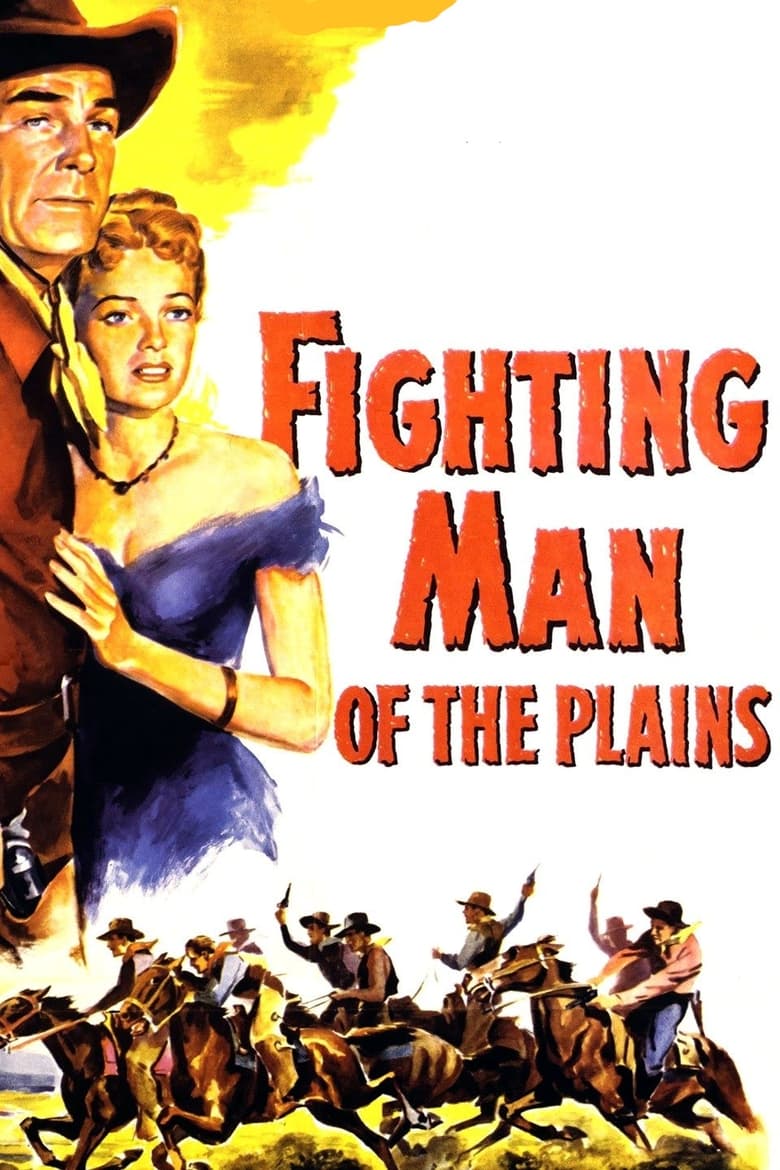
Former bandit Jim Dancer becomes marshal of a Kansas town and cleans up the criminal element - with the help of his old pal, Jesse James.
Overall Score
Limited
Category Breakdown
LGBTQ+ Representation
The film lacks any evidence of LGBTQ+ characters or non-heteronormative narratives. It operates within the rigid heteronormative constraints typical of 1949 cinema.
Gender Representation
Narrative focus remains on male protagonists Jim Dancer and Jesse James. The story reinforces conventional gender hierarchies through archetypes of rugged, decisive masculine leadership.
Racial & Ethnic Diversity
The plot centers on a binary struggle between a marshal and criminals. It lacks evidence of diverse ethnic casting, reflecting the homogeneous trends of period Westerns.
Religious & Cultural Diversity
The story follows a classic Western framework of moral restoration. It emphasizes individual grit and the establishment of law rather than critiquing Western institutions.
Disability Representation
There is no information regarding the depiction of physical or neurodivergent characters in this film.
Strengths
Areas for Improvement
AI Analysis
Fighting Man of the Plains is a quintessential mid-century Western that prioritizes traditional genre conventions over social complexity. The narrative centers on archetypal heroism and the restoration of order through masculine agency, offering little room for diverse perspectives. The film adheres to the period's standard of homogeneous casting and rigid social hierarchies. By focusing on the redemption of a former bandit through law enforcement, it reinforces established institutional values rather than challenging them. Ultimately, the production serves as a reflection of 1940s cinematic norms, emphasizing traditional masculinity and a binary view of justice within the American West.
1948
1951

1937
1948
1971
1966
1956
No reviews yet. Be the first to share your thoughts on this movie!
Use the rating form above to leave a star rating and optional review.