
Killed the Family and Went to the Movies
1991
No user ratings available yet
Representation score: 5.9 out of 10

Representation Score
Fair
1969
Director
Júlio Bressane
Runtime
64 minutes
Average Rating
No ratings yetNew Showbiz Analysis
Júlio Bressane’s work is influenced by the Cinema Marginal movement, which aims to disrupt conventional storytelling. This film highlights social alienation and the dismantling of bourgeois stability. The film effectively critiques culture and society, using a violent act and a cinema visit to highlight the emptiness of middle-class life. By focusing on a woman's dissatisfaction, it challenges 1960s gender roles. However, the film remains limited in its portrayal of LGBTQ+ identities and disability. While it challenges social norms, it does so without specific markers for diverse identities or multi-layered casting.
Category Breakdown
The film does not explicitly depict LGBTQ+ identities or non-straight relationships. Instead, it focuses on domestic conflicts and a married woman's dissatisfaction.
Marcia is a central figure who challenges traditional domestic roles. Her pursuit of personal desires outside of marriage defies 1960s gender norms.
Set in Rio de Janeiro, the film examines the lives of middle and upper-class individuals. However, it does not provide specific evidence of diverse casting or non-Anglo-centric representation.
The film critiques traditional family structures and bourgeois morality. It uses social fragmentation to challenge Western institutions and capitalist pursuits.
There is no information about characters with visible or invisible disabilities in the narrative.
Present on Screen
Limited or Absent
Official Synopsis
A man living with his parents in a low middle-class apartment in Rio de Janeiro coldly stabs them with a razor and then goes to the movies. Marcia, a rich and dissatisfied young woman, takes advantage of a trip from her husband to go to her home in Petrópolis, where she receives a visit from an old friend, Regina.
1991
1970

1971
1981

1982
2004
1969
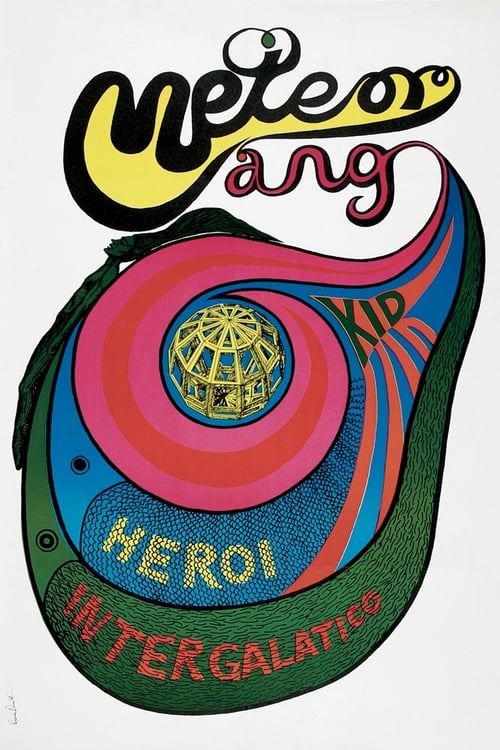
1969
No reviews yet. Be the first to share your thoughts on this movie!
Use the rating form above to leave a star rating and optional review.