
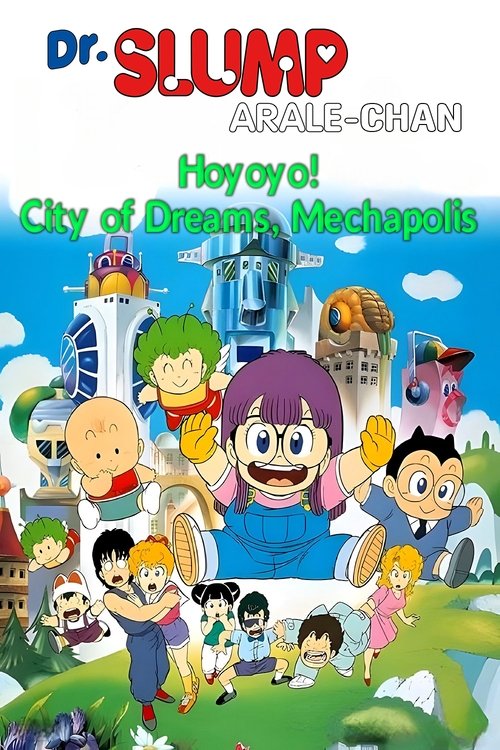
Dr. Slump and Arale-chan: Hoyoyo!! Follow the Rescued Shark...
1994
No user ratings available yet
Representation score: 4.2 out of 10
Representation Score
Limited
1985
Director
Toyoo Ashida, Kazuhisa Takenouchi
Runtime
38 minutes
Average Rating
No ratings yetNew Showbiz Analysis
This film is a traditional comedic adventure set in the surreal world of Akira Toriyama. While it features a strong female protagonist, the narrative stays within the genre conventions of its time. The production focuses on mechanical and technological themes without addressing multi-layered complexity. The critique of a 'perfect' city hints at moral complexity but doesn't extend to broader diversity or social issues. Overall, the film aligns with the cultural and social norms of 1985 Japanese animation, emphasizing slapstick humor and adventure over progressive social commentary.
Category Breakdown
The film doesn't include any explicit LGBTQ+ characters or stories. It follows a typical adventure format aimed at younger audiences without challenging the idea that everyone is straight or cisgender.
Arale Norimaki stands out as a strong female character due to her powerful physical abilities. However, the film might still rely on traditional 1980s comedy clichés.
The setting emphasizes technology and mechanics rather than exploring different ethnic backgrounds. The story seems culturally uniform within its 1985 Japanese context.
The story questions idealized societal structures by breaking down the concept of a perfect society. It doesn't provide specific examples of progressive social critiques or anti-Western sentiments.
The film includes android characters, but it's unclear if these characters represent disabilities. There's no clear depiction of neurodivergent individuals.
Present on Screen
Limited or Absent
Official Synopsis
Children are lured to Metropolis only to find that the renowned, mythical city may not be the happy-go-lucky utopia they'd thought it would be.
1994
1994

2006
2012

2014
1993

1999
1968
No reviews yet. Be the first to share your thoughts on this movie!
Use the rating form above to leave a star rating and optional review.