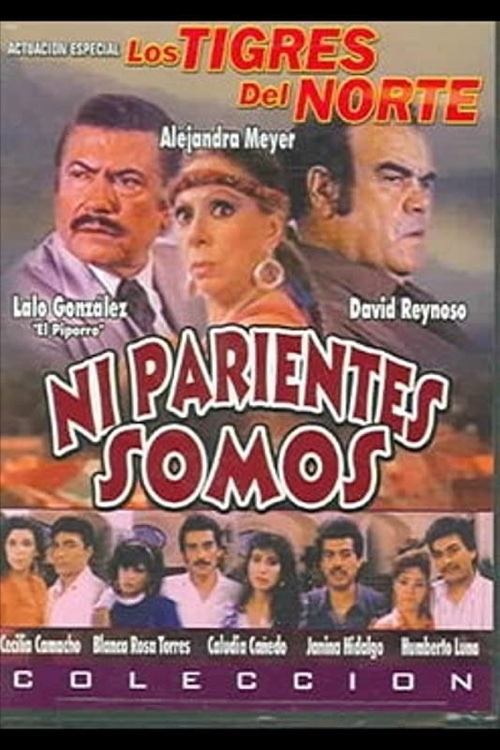
Ni parientes somos - contagio de amor
1990
No user ratings available yet
Representation score: 4.1 out of 10
Representation Score
Limited
1990
GDirector
Sergio Véjar
Average Rating
No ratings yetNew Showbiz Analysis
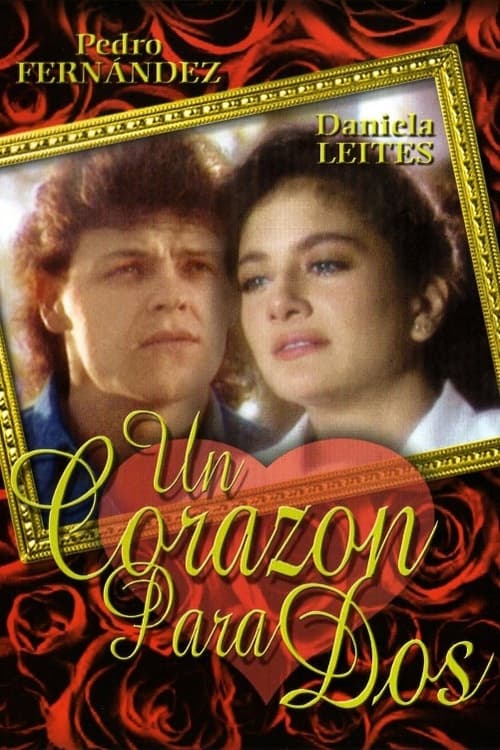
Un corazón para dos is a product of its era, functioning as a conventional narrative that prioritizes standard storytelling over disrupting social hierarchies. It reflects the mainstream commercial landscape of 1990s regional cinema. The film lacks intentionality regarding progressive representation. Instead of challenging established norms, the work appears to reinforce the traditional cultural and gender compositions prevalent at the time of its release. Ultimately, the production follows standard industry conventions, offering a demographic and social reflection of the status quo rather than a deconstruction of identity-based structures.
Category Breakdown
The film does not show any non-binary gender identities or same-sex relationships. It follows the assumption that everyone is straight and cisgender, which was common in mainstream 1990s commercial cinema.
The story likely relies on traditional gender roles and conventional romantic dynamics. There is no indication of challenging gender hierarchies or showing masculinity in non-traditional ways.
While the Spanish-speaking context ensures non-Anglo-Saxon casting, the film appears to mirror the demographic status quo. It lacks specific details about blending different ethnicities.
The story operates within a traditional framework that reinforces established social and familial norms. It lacks narratives that critique traditional institutions or promote secularist themes.
There is no information about including characters with disabilities or neurodivergence.
Present on Screen
Limited or Absent
1990

1998
1992
1984

1983
1988

1990
1990
No reviews yet. Be the first to share your thoughts on this movie!
Use the rating form above to leave a star rating and optional review.