Kiss the Other Sheik
1965
No user ratings available yet
Representation score: 5.2 out of 10
Representation Score
Fair
1965
Director
Michelangelo Antonioni, Mauro Bolognini, Franco Indovina
Runtime
115 minutes
Average Rating
No ratings yetNew Showbiz Analysis
This anthology film serves as a modernist study of human interaction rather than a cohesive narrative of identity. It succeeds in challenging traditional gender stereotypes and questioning rigid social morality through its diverse directorial perspectives. However, the film is limited by its mid-century Eurocentric focus. It lacks racial diversity and explicit LGBTQ+ representation, remaining confined to the social structures of the 1960s Italian bourgeoisie. Ultimately, the work is a sophisticated deconstruction of social norms, even if it lacks the breadth of modern characters who reflect more than one aspect of diversity.
Category Breakdown
The film adheres to the cinematic standards of the mid-1960s. It explores unconventional interpersonal dynamics and the breakdown of traditional romance, but does not include explicit queer narratives or non-cisgender identities.
The film dismantles the stable masculine lead by showing men with emotional instability. Women are shown with significant psychological ability to act, navigating complex social landscapes that emphasize their internal emotional realities.
Reflecting mid-1960s Italian cinema traditions, the film centers on a homogeneous Mediterranean social structure. The casting lacks visible diversity, focusing instead on the nuances of the Italian bourgeoisie.
The film prioritizes existential inquiry and human impulses over religious frameworks. Traditional social institutions, such as marriage and etiquette, are viewed with skepticism or irony.
There is no evidence of characters using visible or invisible disabilities as central narrative drivers or plot devices within the film.
Present on Screen
Limited or Absent
Official Synopsis
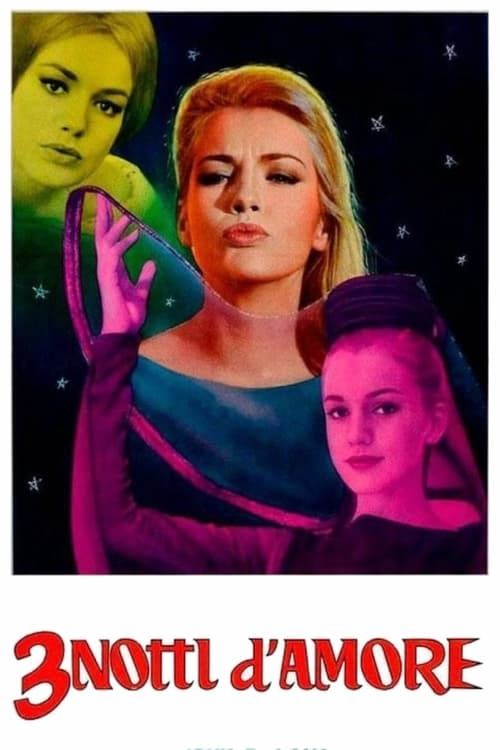
Italian comedy film made of three segments directed by Michelangelo Antonioni, Mauro Bolognini and Franco Indovina. First segment: Il Provino; second segment: Gli amanti celebri; third segment: Latin Lover.
1965
1973
1964
1976
1965
1966
1964
1964
No reviews yet. Be the first to share your thoughts on this movie!
Use the rating form above to leave a star rating and optional review.