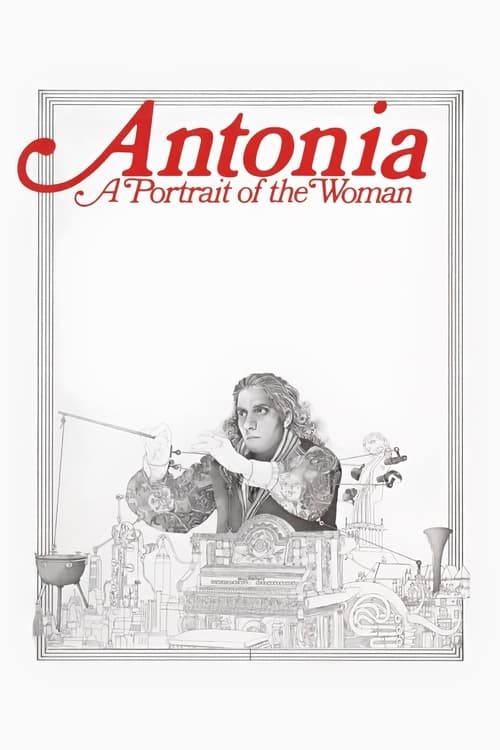
Antonia: A Portrait of the Woman
1974
No user ratings available yet
Representation score: 5.0 out of 10

Representation Score
Fair
2023
Director
Molly O'Brien
Runtime
35 minutes
Average Rating
No ratings yetNew Showbiz Analysis
The documentary provides a powerful look at gendered institutional reform by centering on Orin O'Brien's historic entry into the New York Philharmonic. It successfully highlights how a single individual can disrupt long-standing professional hierarchies. However, the film's scope is limited by its specific historical context. The focus on a mid-century Western classical setting results in a lack of visible racial and ethnic diversity within the orchestral environment. Ultimately, while the film excels at documenting women's ability to drive the story and the breaking of gender barriers, it offers less insight into LGBTQ+ identities or broader perspectives that reflect multiple aspects of identity.
Category Breakdown
The film critiques the professional structures of the 1960s through Orin's experience as a female outlier. However, specific depictions of LGBTQ+ identity or non-traditional gender relationships are not explicitly detailed.
This documentary serves as a profound study in challenging traditional gender hierarchies. It highlights Orin O'Brien's significant role in disrupting the masculine-dominated landscape of the New York Philharmonic.
The narrative focuses on a specific historical moment within a predominantly white, Western classical institution. There is limited evidence regarding the inclusion of diverse racial or ethnic perspectives during this era.
The film engages with the deconstruction of traditional institutional norms. It frames Orin's career as a disruption of the 'old guard' and the exclusionary structures of mid-century classical music.
The film does not contain specific information regarding the portrayal of physical or neurodivergent disabilities.
Present on Screen
Limited or Absent
Official Synopsis
Trailblazing double bassist Orin O'Brien never wanted the spotlight, but when Leonard Bernstein hired her in 1966 as the first female musician in the New York Philarmonic, it was inevitable that she would become the focus of much interest and fascination. Now 87 years old and recently retired, Orin looks back on her remarkable life and career, insisting that a fuss should not be made, much preferring to play a supporting role to the family, students, friends, and colleagues that surround her.
1974
2018
2012
2022

2020

1998
1994
2015
No reviews yet. Be the first to share your thoughts on this movie!
Use the rating form above to leave a star rating and optional review.