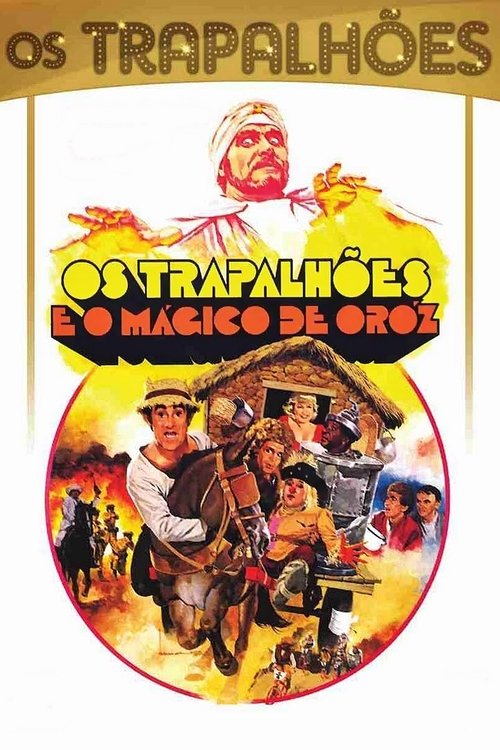
Os Trapalhões e o Mágico de Oróz
1984
No user ratings available yet
Diversity score: 3.8 out of 10
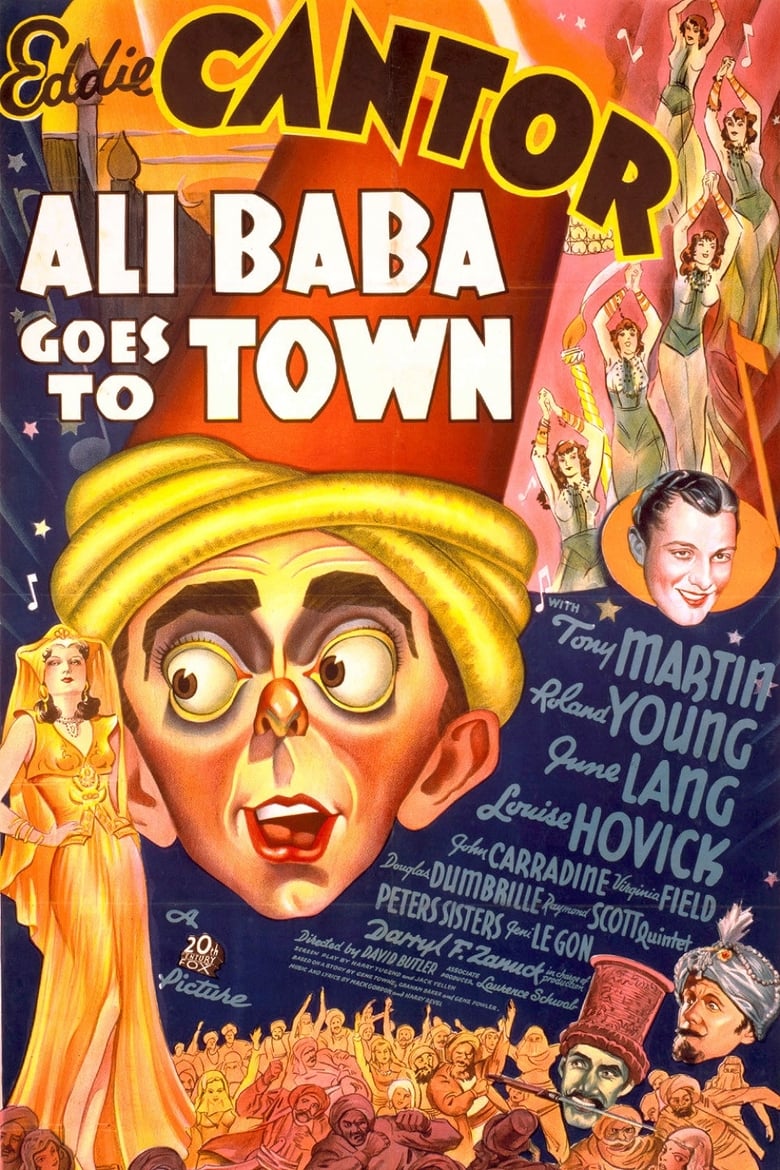
1937
NRDirector
David Butler
Runtime
81 minutes
Average Rating
No ratings yetSynopsis
While visiting Hollywood a starstruck movie fan (Eddie Cantor) fantasizes about himself cast in an Arabian adventure. Director David Butler's comedy--with many songs--also features Tony Martin, Roland Young, Gypsy Rose Lee (billed as Rose Hovick), John Carradine, June Lang, Virginia Field, Charles Lane, The Peters Sisters and many big-name guest stars playing themselves.
Overall Score
Limited
Category Breakdown
LGBTQ+ Representation
The film contains no visible presence of LGBTQ+ characters or non-heteronormative identities. It adheres strictly to the romantic conventions of the era, focusing on traditional heterosexual courtship.
Gender Representation
The narrative reinforces traditional gender hierarchies. The male protagonist acts as the proactive agent, while female characters are largely positioned as romantic interests or supporting musical figures.
Racial & Ethnic Diversity
The film utilizes a stylized, Orientalist framework relying on Western fantasies of the Middle East. White actors are cast in exoticized roles, reinforcing a colonialist lens through aesthetic tropes.
Religious & Cultural Diversity
The film operates within a standard commercial framework, offering little systemic critique. It leans into escapist, fantasy-based morality that aligns with mainstream 1930s cultural expectations.
Disability Representation
There is no discernible focus on visible or invisible disabilities. Characters appear to function within the standard physical capabilities required for musical comedy performers.
Strengths
Areas for Improvement
AI Analysis
Ali Baba Goes to Town is a quintessential product of the 1930s studio system, prioritizing commercial musical fantasy over social depth. The film relies heavily on escapism, utilizing a fantasy-based morality that avoids challenging any established Western values or institutions. The production is defined by its use of Orientalist tropes, casting white actors in roles meant to represent Middle Eastern identities. This approach prioritizes caricature and Western fantasy over authentic cultural representation or agency for non-Western characters. Social hierarchies remain rigid throughout the narrative. Gender roles are strictly defined by traditional courtship, and the film lacks any meaningful representation of LGBTQ+ identities or characters with disabilities.
1984
1939
1942
1943
No reviews yet. Be the first to share your thoughts on this movie!
Use the rating form above to leave a star rating and optional review.