
Road to Zanzibar
1941
No user ratings available yet
Representation score: 0.4 out of 10
Representation Score
Minimal
1942
NRDirector
David Butler
Runtime
82 minutes
Average Rating
No ratings yetNew Showbiz Analysis
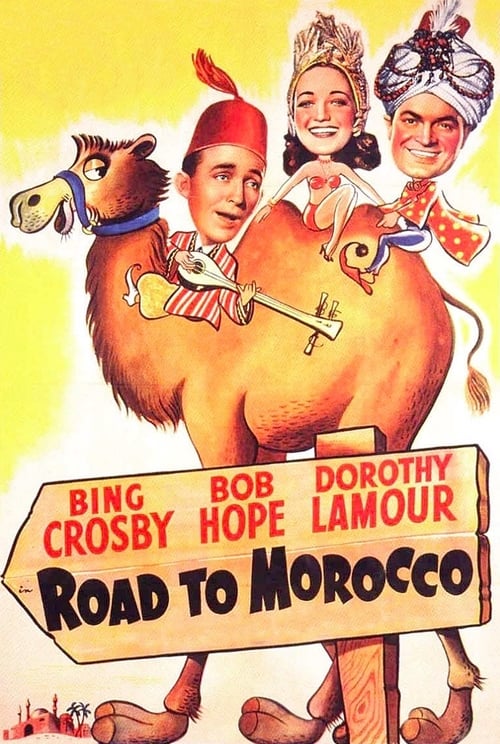
Road to Morocco is a classic product of the 1940s studio system, prioritizing escapist comedy over sociological depth. It relies on the 'Road to...' formula, focusing on the chemistry between its leads within a highly stylized setting. The film functions as a primary example of mid-century Orientalism. It uses North African and Middle Eastern settings as decorative, caricatured backdrops for Western comedic clichés rather than authentic cultural representations. Ultimately, the work reinforces the dominant social hierarchies of its era. By leaning into colonial-era clichés and rigid gender roles, it serves as a period-specific artifact of Eurocentric values.
Category Breakdown
The film strictly follows heterosexual norms, with no queer subtext or non-cisgender identities. The plot focuses on male competition for a female romantic interest.
Princess Shalmar is portrayed mainly as a romantic prize rather than an independent character. The narrative emphasizes male camaraderie and lacks meaningful female-driven perspectives.
The film uses stereotypical, comedic depictions of Middle Eastern cultures. Characters of color are often presented through broad caricatures that reinforce colonial-era stereotypes.
The story presents a Western-centric, escapist fantasy that sidesteps engagement with the setting's actual realities. It reinforces cultural exceptionalism through a lighthearted, decorative lens.
There are no significant depictions of visible or invisible disabilities within the film.
Present on Screen
Limited or Absent
Official Synopsis
Two carefree castaways on a desert shore find an Arabian Nights city, where they compete for the luscious Princess Shalmar.
1941

1931

1940

1929

1952
1948

1955
1955
No reviews yet. Be the first to share your thoughts on this movie!
Use the rating form above to leave a star rating and optional review.