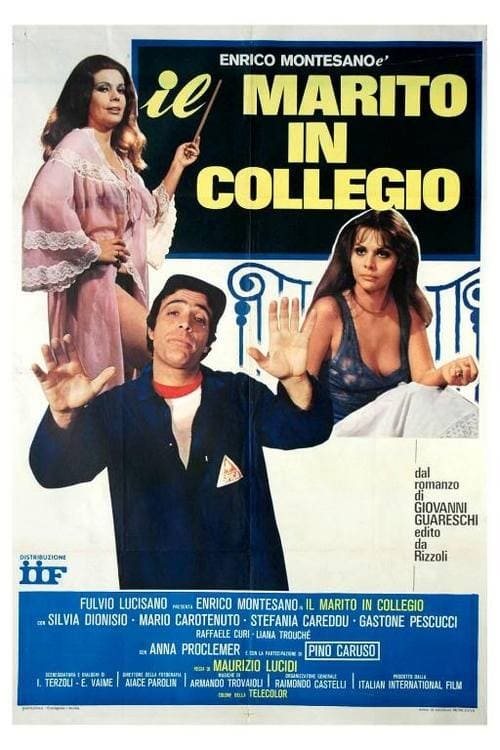
Il marito in collegio
1977
No user ratings available yet
Representation score: 2.5 out of 10
Representation Score
Limited
1976
Director
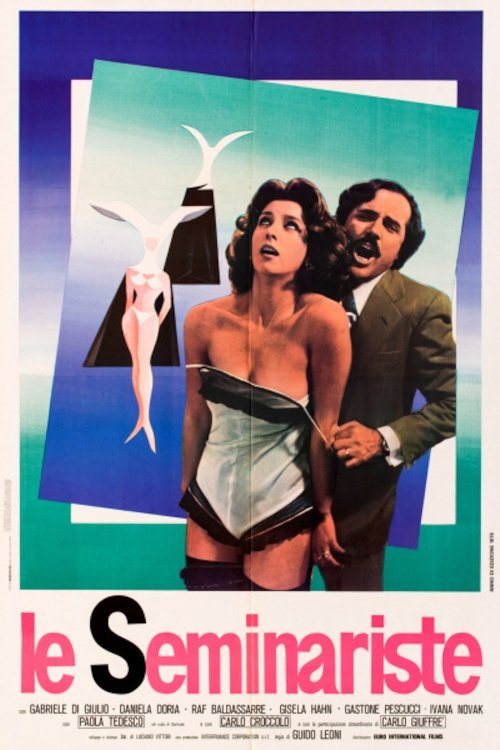
Guido Leoni
Runtime
95 minutes
Average Rating
No ratings yetNew Showbiz Analysis
Le seminariste is a 1976 Italian comedy that serves as a social satire focused on the era's social dynamics. It centers on the tension between aristocratic privilege and religious institutionalism through a female protagonist's journey. While the film critiques social hierarchies and class-based expectations, it remains confined by the demographic limitations of its time. The narrative lacks complexity in addressing diverse identities and progressive themes.
Category Breakdown
The film does not include any explicitly LGBTQ+ characters or non-straight relationships. The seminary setting implies a conservative religious atmosphere that might restrict queer stories.
A female character leads the plot, but her role seems limited by traditional gender roles. She is sent to a seminary by her family, highlighting a patriarchal system.
Set in Lecce, the film likely portrays a predominantly white population. There is no indication of ethnic diversity or casting actors from various racial backgrounds.
The story examines the conflict between secular education and religious traditions. Transitioning from an aristocratic home to a seminary allows for a critique of class and doctrine.
There is no information available regarding the portrayal of physical or neurodivergent disabilities in this film.
Present on Screen
Limited or Absent
Official Synopsis
After being expelled from college, the daughter of an aristocratic family from Lecce is sent to a seminary in her native town
1977
1983

1992

1981
1970
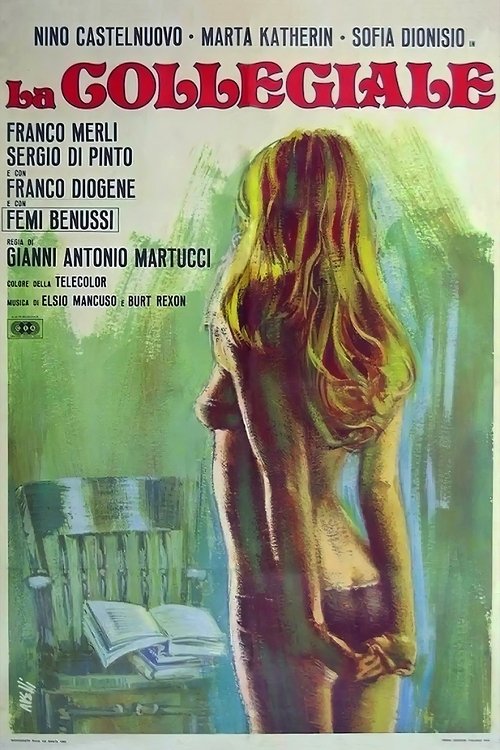
1975
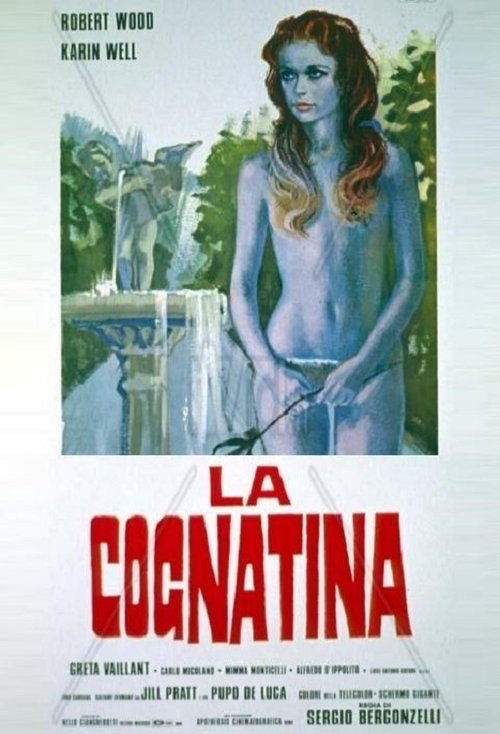
1975
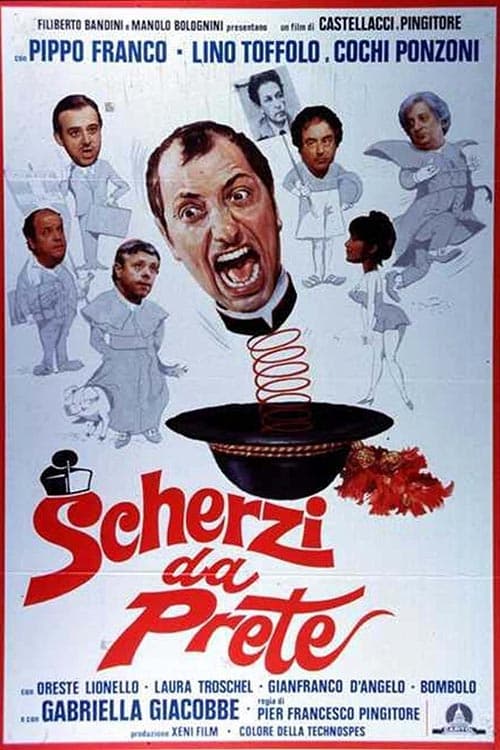
1978
No reviews yet. Be the first to share your thoughts on this movie!
Use the rating form above to leave a star rating and optional review.