The Adventurers
1970
No user ratings available yet
Diversity score: 2.6 out of 10
1967
ApprovedDirector
Ken Annakin
Runtime
115 minutes
Average Rating
No ratings yetSynopsis
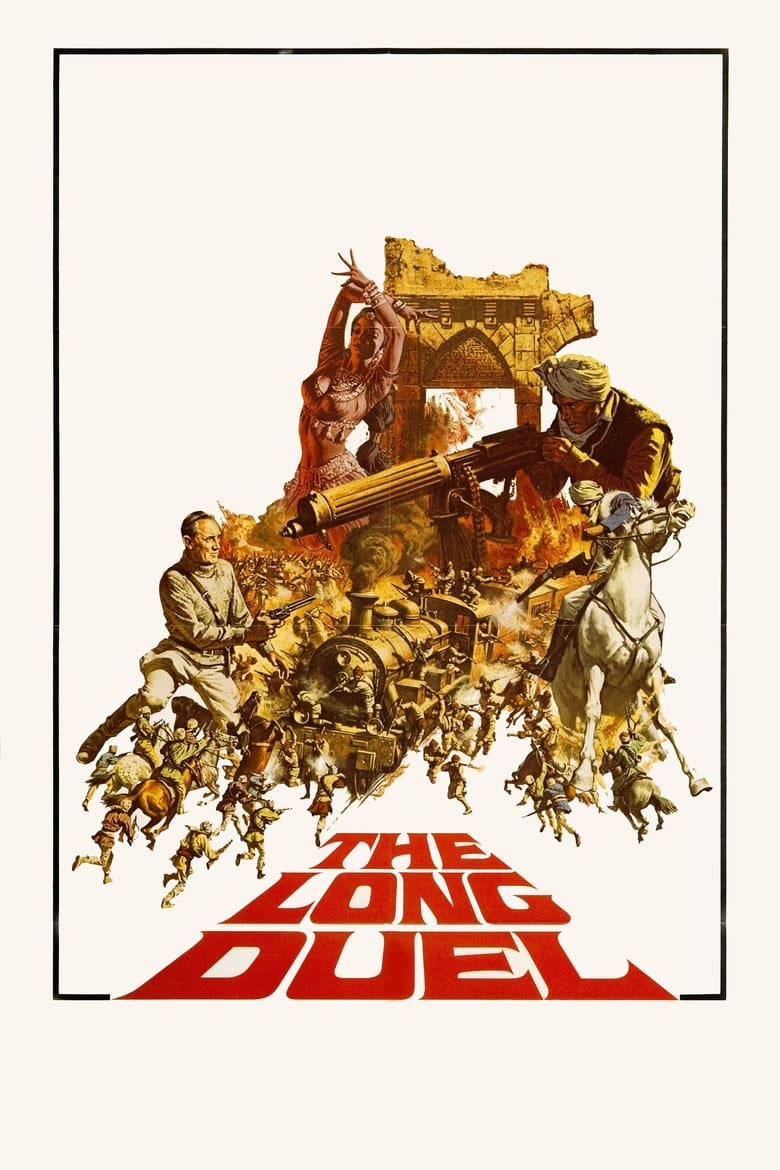
An idealistic colonial police officer is sent to capture a rebel leader who threatens the stability of the Raj's north-west frontier. Despite his official colonial capacity, the policeman is impressed by the ingenuity and integrity of his enemy and is determined to arrest him alive rather than bring him in dead as his superiors might wish.
Overall Score
Fair
Category Breakdown
LGBTQ+ Representation
The film contains no LGBTQ+ characters. The narrative focuses entirely on geopolitical and racial tensions within the frontier setting.
Gender Representation
Gender roles follow traditional mid-century hierarchies. Male protagonists drive the plot, while female characters remain peripheral with limited agency.
Racial & Ethnic Diversity
The film avoids standard tropes by centering the narrative on racial identity and local resistance. Non-Anglo-Saxon characters possess significant agency and integrity.
Religious & Cultural Diversity
The story critiques institutional structures by framing the rebel as a character with systemic legitimacy. It challenges the perceived infallibility of colonial governance.
Disability Representation
There is no identifiable depiction of physical or neurodivergent disabilities in the film.
Strengths
Areas for Improvement
AI Analysis
The Long Duel stands out as a transitional piece of 1960s adventure cinema. It moves beyond simple colonial tropes by humanizing the opposition and questioning the morality of institutional mandates. While the film excels in its nuanced portrayal of racial and cultural friction, it remains constrained by the era's gender norms. The narrative is almost entirely male-driven, leaving little room for female agency. Ultimately, the film's strength lies in its ability to deconstruct the 'civilized vs. savage' dichotomy, offering a more complex view of authority and resistance than many of its contemporaries.
No reviews yet. Be the first to share your thoughts on this movie!
Use the rating form above to leave a star rating and optional review.