
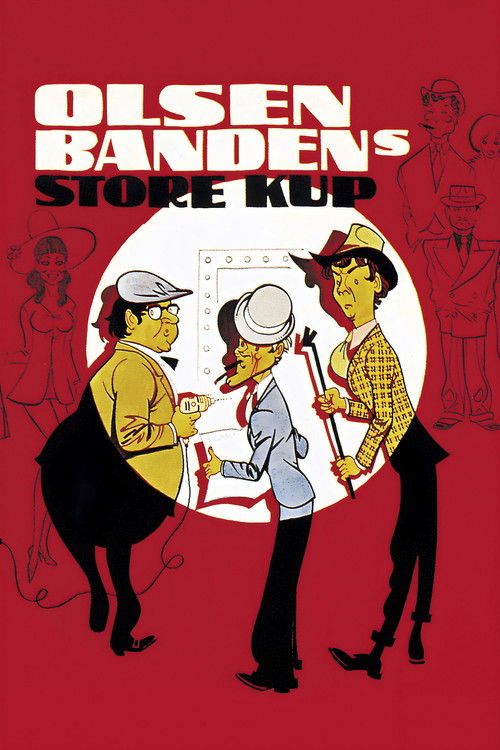
The Olsen Gang Never Surrenders
1979
No user ratings available yet
Representation score: 1.1 out of 10
Representation Score
Minimal
1976
Not RatedDirector
Erik Balling
Runtime
100 minutes
Average Rating
No ratings yetNew Showbiz Analysis
The film operates as a traditional comedic caper set in the 1970s. It lacks diverse representation, especially around sexuality, race, and disability, resulting in a low diversity score. However, it does offer a mild critique of class hierarchies. By focusing on working-class individuals outwitting an elite figure, it provides a satirical look at social structures. This is the film's main progressive element. Overall, the lack of diverse character's ability to drive the story keeps the film from achieving a higher score. The narrative remains centered on male characters and slapstick humor.
Category Breakdown
The film doesn't include any LGBTQ+ characters or explore non-straight relationships. The world presented is strictly conventional without engaging with queer themes.
The story is driven by three male characters, leaving women with minor roles. There’s little exploration of women's empowerment or challenging male dominance.
The cast is mostly white and Danish. A Chinese vase and a reference to Hong Kong are used as plot devices but don’t provide meaningful ethnic representation.
The film offers a humorous critique of class structures. It uses satire to show working-class protagonists outsmarting an aristocratic figure.
There are no visible or invisible disabilities shown. Characters function within normal physical abilities without addressing neurodivergent or chronic illness stories.
Present on Screen
Limited or Absent
Official Synopsis
Egon and the gang are hired to stage a robbery of an antique Chinese vase for an economically challenged baron. Naturally they fooled, which infuriates Egon. The gang tries to get back at the baron by switching the vase with a cheap Hong Kong copy. One attempt is made during the barons hunting party, where Egon ends up being bricked up in the catacombs. In another attempt, the gang has to coordinate breaking through several walls at The Royal Theater in Copenhagen with the "Elverhøj" overture.
1979

1964
1974
1972
1977

1968
1972

1973
No reviews yet. Be the first to share your thoughts on this movie!
Use the rating form above to leave a star rating and optional review.