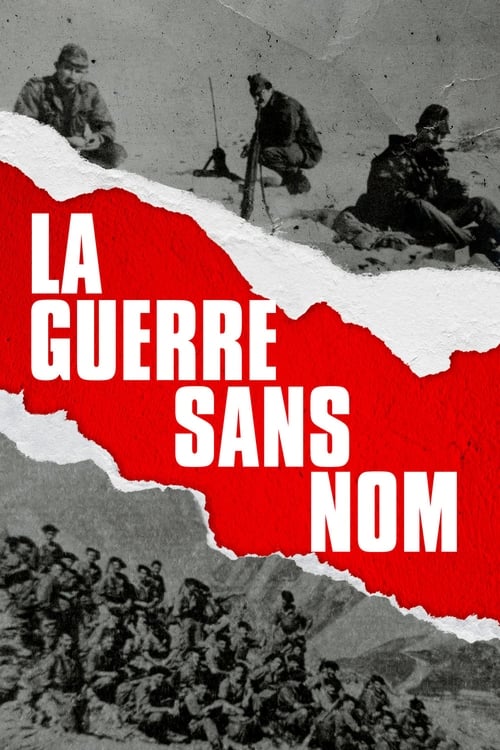
The Undeclared War
1992
No user ratings available yet
Representation score: 3.1 out of 10

Representation Score
Good
2003
Director
Tariq Teguia
Runtime
24 minutes
Average Rating
No ratings yetNew Showbiz Analysis
Tariq Teguia’s documentary serves as a powerful tool for ethnographic observation, prioritizing the voices of underrepresented North African youth over polished, traditional narratives. By focusing on the aftermath of the Algerian civil war, the film centers on the tension between individuals and the state. The work excels in racial and cultural representation by disrupting the Western-centric gaze. It allows the people of Bab El Oued to reclaim their own stories, moving beyond the periphery of global political discourse to highlight systemic dissatisfaction. However, the film's specific focus on gender and LGBTQ+ identities remains unclear. While the testimonial format allows for individual complexity, the lack of explicit detail regarding these specific identities limits a full assessment of their representation.
Category Breakdown
The film does not provide explicit confirmation of LGBTQ+ narratives or identities. While it captures the experiences of young people in Bab El Oued, specific LGBTQ+ perspectives are not clearly represented.
The documentary focuses on the youth of a specific urban district. Emphasizing raw emotion and personal testimony suggests a shift away from passive gender roles towards more nuanced subjects.
The film gives high ability to act to North African subjects through direct testimony. By centering local stories, it disrupts Western-centric views and allows underrepresented voices to tell their own narratives.
The narrative critiques state institutions by highlighting the anger and confinement after the civil war. It frames subjects through their dissatisfaction with existing socio-political structures.
There is no evidence that neurodivergence or physical disabilities play a central role or significantly drive the narrative in this work.
Present on Screen
Limited or Absent
Official Synopsis
The Fence is a cry! In the aftermath of the civil war which bloodied Algeria, Tariq Teguia interviews the young people of Bab El Oued who express their anger. In the fixed shots in which they testify, Tariq Teguia alternates wanderings in a car which extend those of Ferrailles d’anticipations. And it is the violence of confinement that dominates, coupled with the desire for something impossible elsewhere.
1992
2011
1976
2015
1983
2008
2021
2023
No reviews yet. Be the first to share your thoughts on this movie!
Use the rating form above to leave a star rating and optional review.