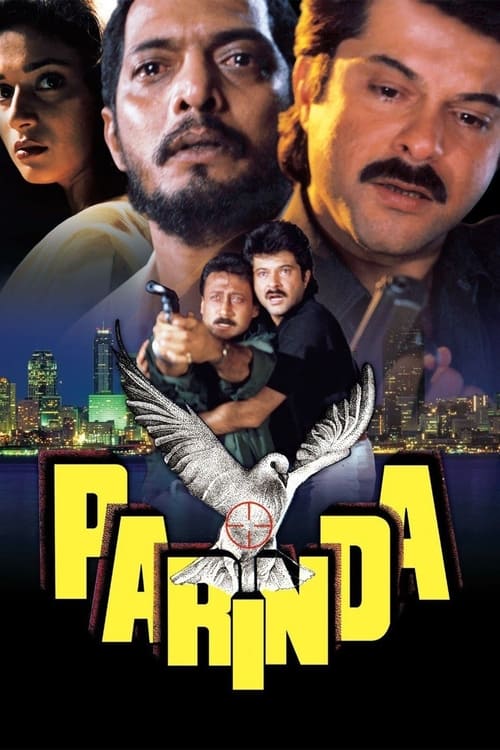
Parinda
1989
No user ratings available yet
Diversity score: 4.9 out of 10

1975
Not RatedDirector
Yash Chopra
Runtime
174 minutes
Average Rating
No ratings yetSynopsis
Haunted by the past, Vijay turns to crime, while Ravi, his brother, becomes an honest police officer. Fate pits them against each other when Ravi is sent to nab Vijay.
Overall Score
Fair
Category Breakdown
LGBTQ+ Representation
The film follows a strictly heteronormative structure. It focuses on traditional romantic pairings and familial bonds without any queer subtext.
Gender Representation
Female characters primarily serve as domestic or moral anchors. While central to the emotional stakes, they lack agency independent of the male protagonists.
Racial & Ethnic Diversity
The story explores the urban migrant experience and socioeconomic struggles within Mumbai. It remains within a relatively homogeneous cultural framework.
Religious & Cultural Diversity
The narrative offers a sophisticated critique of established institutions and capitalist structures. It frames the legal system as an obstacle for the disenfranchised.
Disability Representation
There are no prominent characters with visible or invisible disabilities featured in the narrative.
Strengths
Areas for Improvement
AI Analysis
Deewaar is a seminal crime drama that prioritizes systemic causality over simple morality. It succeeds by framing the protagonist's criminal descent as a direct response to socioeconomic inequity and a fractured social contract. While the film is limited by the era's traditional gender hierarchies and a lack of LGBTQ+ representation, it excels in its portrayal of class warfare. The narrative effectively deconstructs the 'rule of law' through the lens of the marginalized. Ultimately, the film's strength lies in its anti-establishment themes. It provides a profound critique of the post-colonial landscape by highlighting the friction between different social strata.
1989
1990
2002
2014

1994
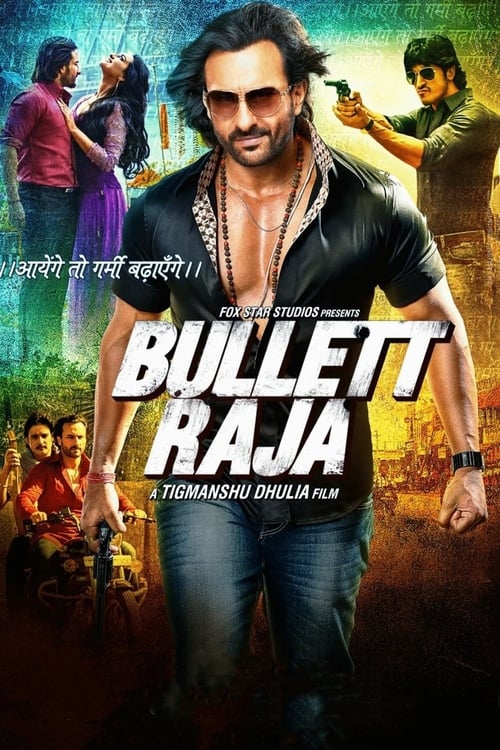
2013
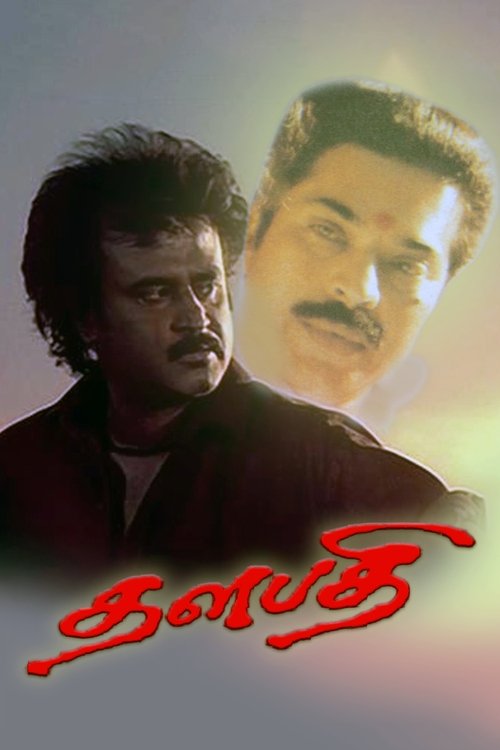
1991

2010
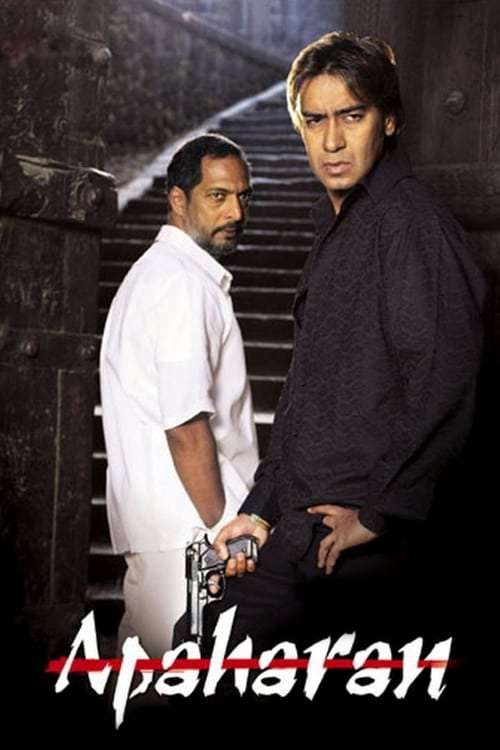
2005
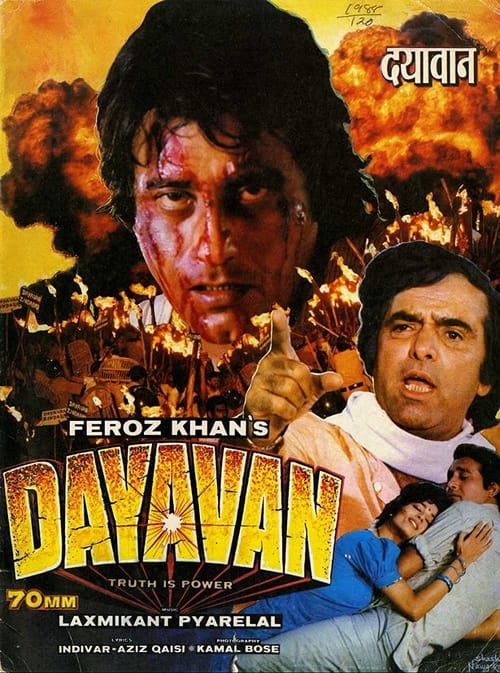
1988
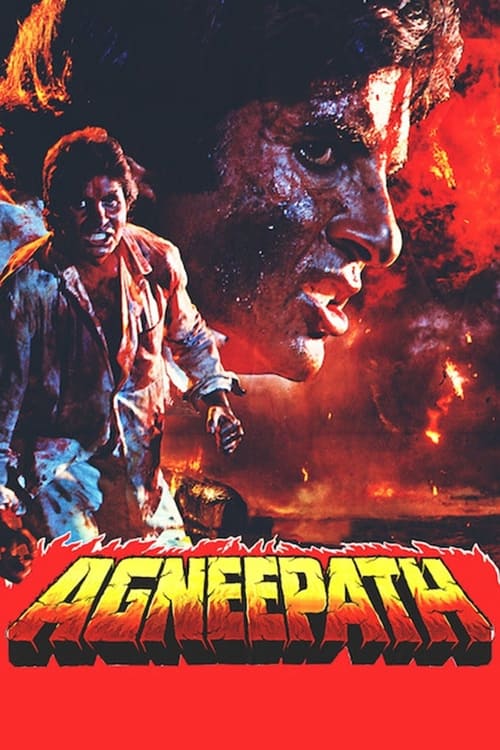
1990

2007
No reviews yet. Be the first to share your thoughts on this movie!
Use the rating form above to leave a star rating and optional review.